The best running trails around Haussömmern
4.8
(36)
277
runners
35
runs
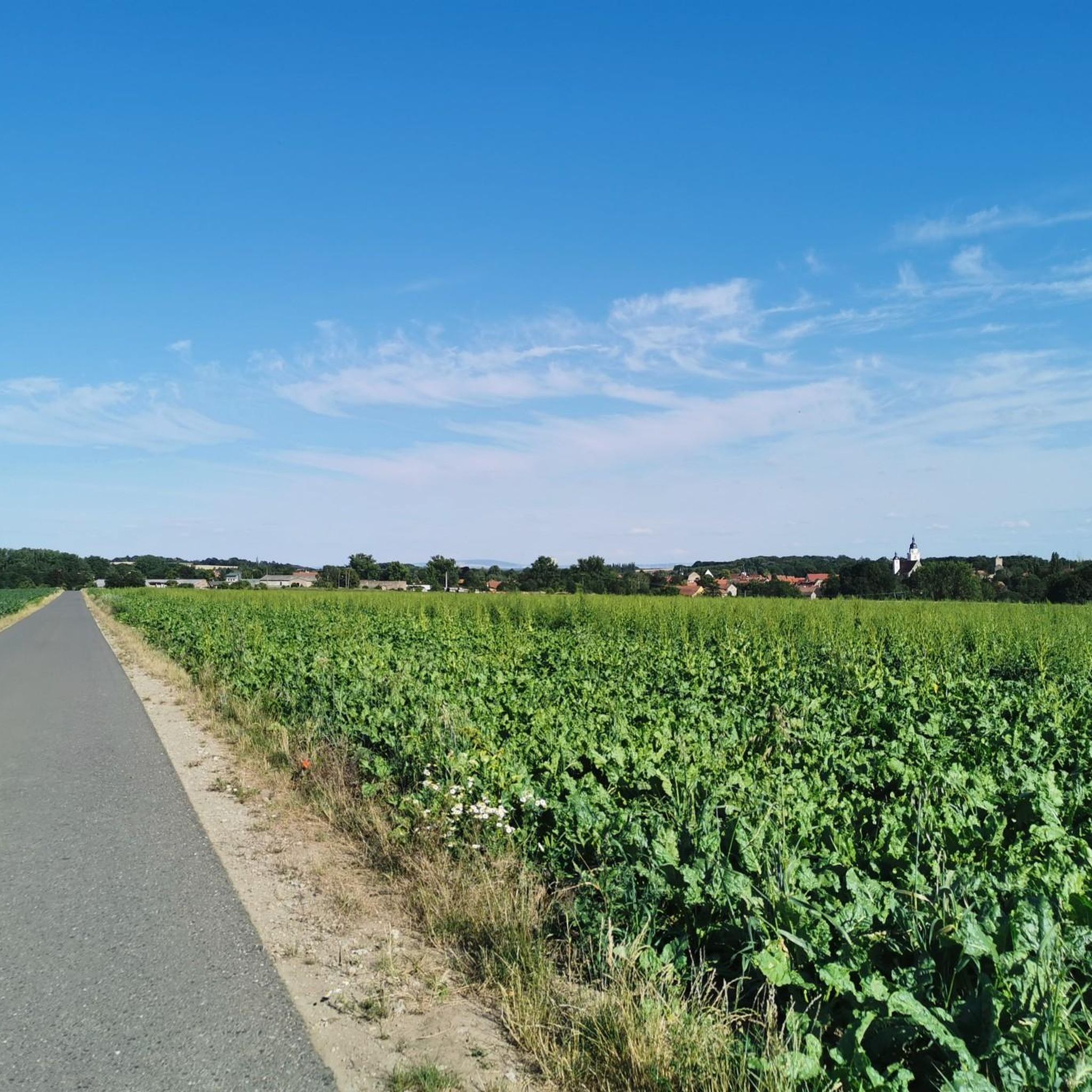
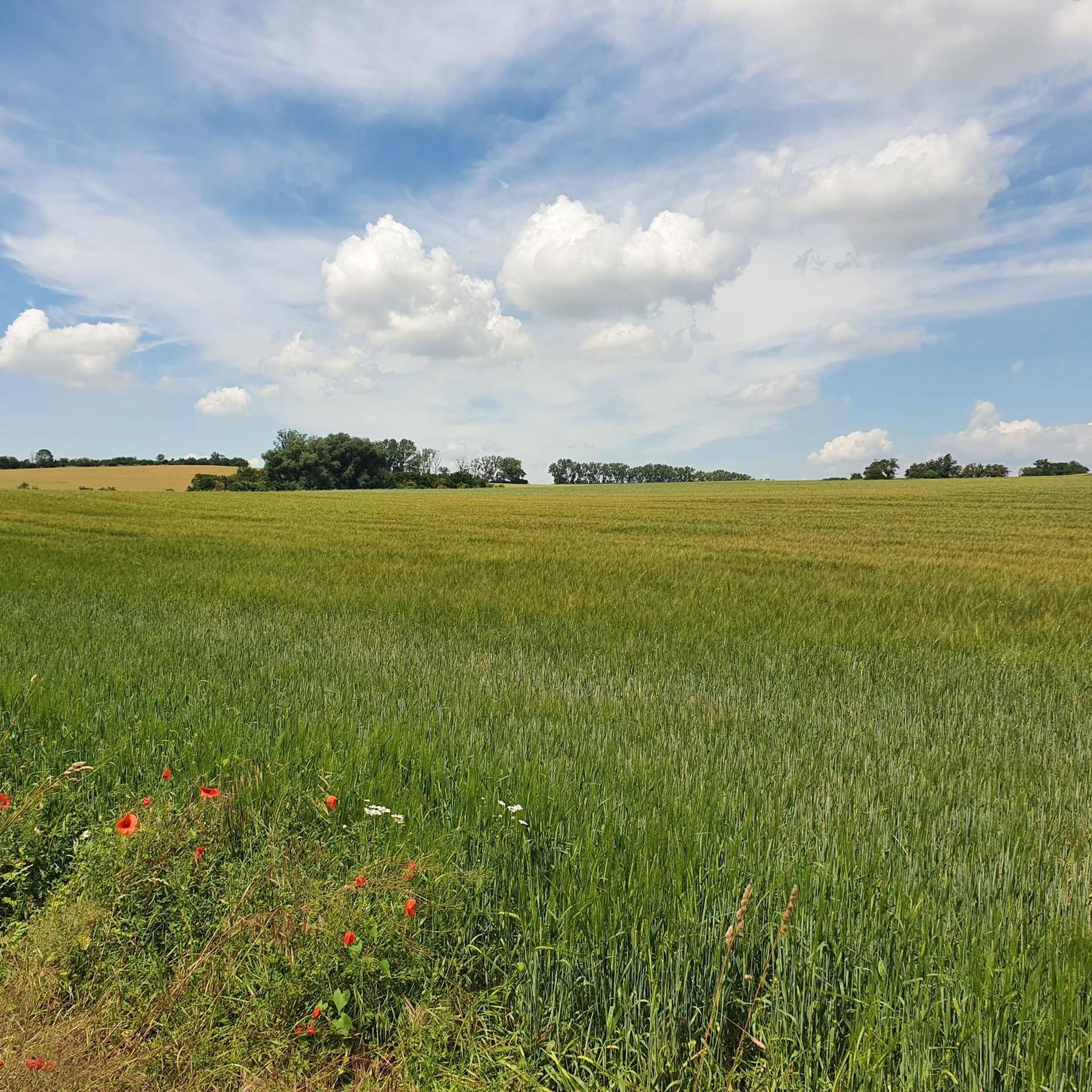
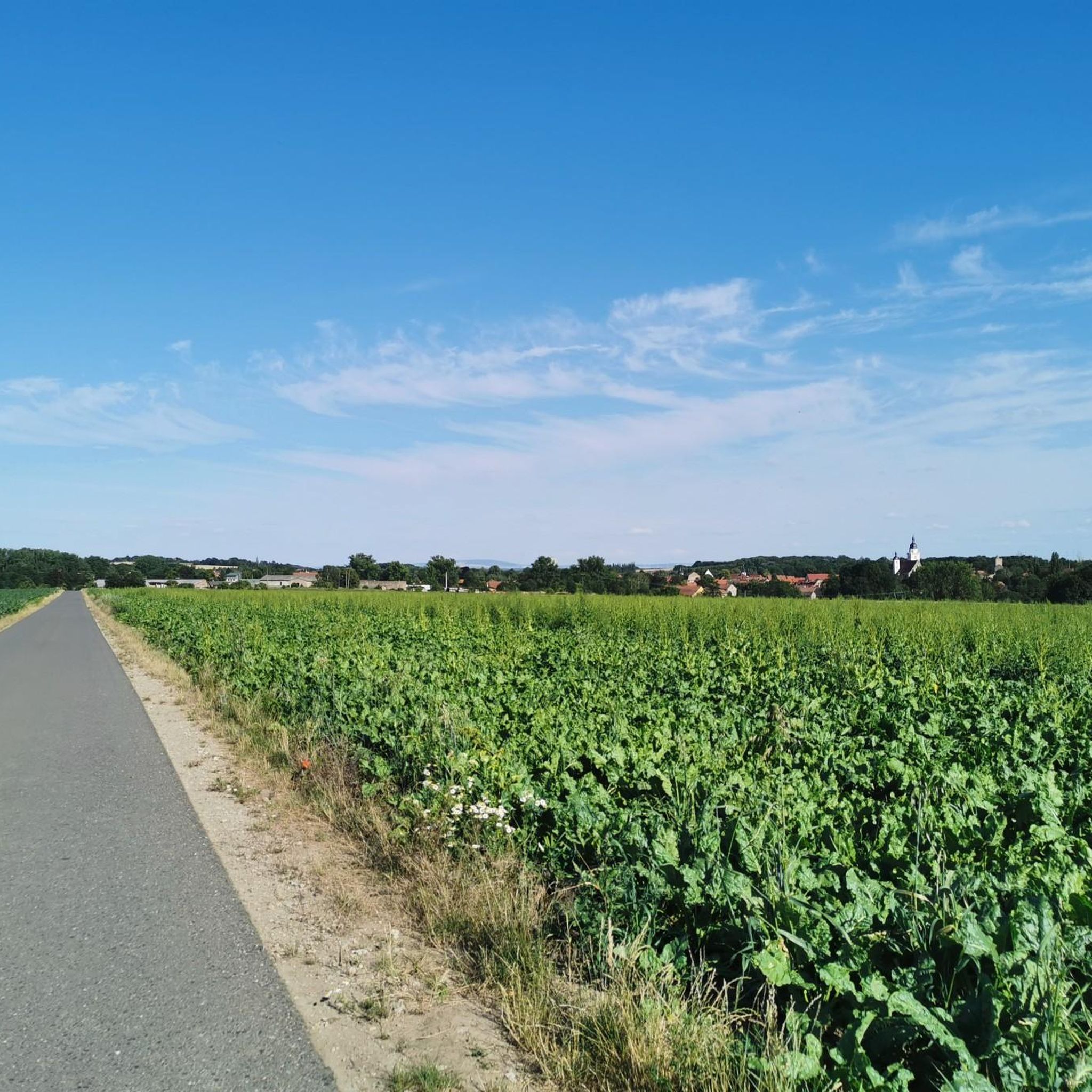
Jogging routes around Haussömmern are primarily found within the scenic Unstruttal Nature Reserve, offering a diverse landscape for runners. The region features trails along the Unstrut river, which flows through its original riverbed, bordered by willow trees and riparian vegetation. Terrain varies from mostly accessible paths to more natural, unpaved sections, with gently rolling landscapes providing moderate elevation changes. This area provides a tranquil environment for running, characterized by its natural beauty and serene atmosphere.
Best jogging routes around Haussömmern
…Last updated: November 22, 2026
19
runners
Moderate run. Good fitness required. Mostly paved surfaces.
4.3
(3)
11
runners
6.01km
00:39
40m
40m
Moderate run. Good fitness required. Mostly paved surfaces.

9
runners
5.15km
00:33
40m
40m
Moderate run. Good fitness required. Mostly paved surfaces.
5.0
(2)
6
runners
Moderate run. Good fitness required. Mostly paved surfaces.
6
runners
10.2km
01:05
90m
90m
Moderate run. Good fitness required. Mostly paved surfaces.
Get access to more routes and recommendations from other explorers.
Already have an account?
Our route recommendations are based on thousands of hikes, rides, and runs completed by other people on komoot.
Start today with a free account
Your next adventure awaits.
Tips from the Community

Well preserved tower nice to look at
8
0

Until the land reform in 1945, the property remained and was owned by the Lucius family. Then war refugees and displaced persons moved in. The castle was later discovered as a place for school sports and for lunching for school children. It also became a hostel for the kindergarten in Klein-Ballhausen. Today the castle is used as a residential building.
1
0

The heretic tower was built as the first of the city's three large defense towers and has been preserved to this day. The time when the tower was built is given by local chronicles after 1470. However, it was built before the city wall was built (1448 - 1483). Characteristic of the tower is its high entrance, which was only accessible via a wooden staircase.
3
0
The area is partly in a renovated, but also in a disintegrated state. It exudes its own charm. The walk through the small park and the peace and quiet at the 2 ponds is pleasant and invites you to rest.
0
0

Das Schloss Kleinballhausen ist ein früheres Rittergut und heutiges Baudenkmal in der Ortslage Kleinballhausen der Gemeinde Ballhausen. Anfang des 12. Jahrhunderts wurde ein Sitz derer „zu Balenhusen“ erstmals erwähnt. Aus dieser Zeit stammen die baulichen Ursprünge des Schlosses. Die von Ballhausen blieben bis 1290 Besitzer des Schlosses, 1297 soll es an das Erzbistum Mainz verpfändet worden sein. Ab dem 14. Jahrhundert wechselte das Haus mehrfach den Eigentümer. 1518 kaufte der sächsische Herzog Georg der Bärtige das wüst liegende Schloss. Er belehnte damit Hans von Werthern, der es zum Rittergut aufbaute. Die Familie von Werthern behielt das Gut 200 Jahre in ihrem Besitz, dann ging es 1720 an die von Berlepsch, die es bereits 1732 an die von Keudell weitergaben. 1851 erwarb schließlich Sebastian Lucius das Rittergut von Karl v. Zech (1812–1889). Die Familie Lucius besaß in dieser Zeit auch die benachbarten Güter Roter Hof und Grüner Hof im Nachbarort Großballhausen. Sebastian Lucius’ Sohn Robert Lucius von Ballhausen erweiterte 1882 das Schloss um zwei Seitenflügel und einen Turm. Zum Rittergut gehörten 1200 Morgen Ackerboden, ausgedehnte Stallungen, eine Kartoffelflockenfabrik, eine Wassermühle, Karpfenzucht, Gewächshäuser und ein Gasthof. Zum Ende des Zweiten Weltkrieges wurde das Inventar des Schlosses von Bürgern geplündert; die wertvolle Inneneinrichtung und insbesondere auch eine Sammlung ostasiatischer Kunstwerke ging so unwiederbringlich verloren. Die sowjetischen Besatzer enteigneten den Eigentümer Johann-Albrecht Freiherr Lucius von Ballhausen und nutzten das Schloss als örtliche Kommandantur und Unterkunft für Flüchtlinge. In den 1960er Jahren wurde das Schloss unter anderem als Kindergarten und Schulhort genutzt. Der baufällig gewordene Turm und Teile des inzwischen verfallenen historischen Mittelteils des Schlosses wurden in der DDR-Zeit abgerissen. Der abgerissene Teil des Mittelteils wurde durch einen schlichten, nicht denkmalgerechten Neubau ersetzt, das verbliebene Gebäudeinnere ohne Rücksicht auf die historische Bausubstanz umgebaut. Unter anderem wurden durch diese Maßnahmen acht Wohnungen geschaffen. Historische Bausubstanz blieb lediglich in den Seitenflügeln des Bauwerks erhalten. 2015 wurde die Fassade der Schlossanlage saniert und der in der DDR-Zeit errichtete Mittelteil verputzt. Neben dem Schloss ist auch ein großes Wirtschaftsgebäude und der Schlosspark erhalten geblieben. (Wikipedia)
1
0
Frequently Asked Questions
How many running routes are available around Haussömmern?
There are over 35 running routes around Haussömmern, offering a diverse range of options for all fitness levels. These routes are highly rated by the komoot community, with an average score of 4.8 stars from over 20 reviews.
What kind of terrain can I expect on the running trails near Haussömmern?
The running trails around Haussömmern feature varied terrain. You'll find mostly accessible paths, particularly along the Unstrut river, as well as more natural, unpaved sections. The landscape is characterized by gently rolling hills, providing moderate elevation changes suitable for different running preferences. The region offers 3 easy, 29 moderate, and 4 difficult routes.
What natural features or scenery can I enjoy while running in the Haussömmern area?
Many running routes in the Haussömmern area pass through the scenic Unstruttal Nature Reserve. You can enjoy picturesque sections along the Unstrut river, which flows in its original riverbed, bordered by willow trees and dense riparian vegetation. This tranquil environment is home to diverse wildlife, including many bird and butterfly species, offering a peaceful and engaging backdrop for your run.
Are there any circular running routes available?
Yes, many of the running routes around Haussömmern are designed as circular loops, allowing you to start and finish at the same point. For example, the Running loop from Kutzleben is a popular circular trail covering 3.7 miles (6.0 km).
Are there running routes suitable for families or beginners?
Yes, Haussömmern offers several easy running paths perfect for families or those new to running. These routes typically feature mostly accessible terrain and shorter distances. The region's gently rolling landscapes provide a pleasant introduction to outdoor running.
What are some interesting landmarks or attractions I might see along the running routes?
While running, you might encounter various points of interest. The Unstrut Valley Nature Reserve between Nägelstedt and Großvargula itself is a significant natural landmark. You can also find historical sites like Herbsleben Castle Ruins or the Brückentor Tennstedt in the wider vicinity. Many routes offer views of the charming local architecture and natural beauty.
Are there any dog-friendly running trails in Haussömmern?
Most natural trails in the Unstruttal Nature Reserve and surrounding areas are suitable for running with dogs, provided they are kept on a leash and you follow local regulations. The peaceful, natural environment makes it an enjoyable experience for both you and your canine companion.
What do other runners enjoy most about the running routes in Haussömmern?
Runners frequently praise the tranquility and natural beauty of the Unstrut Valley. The routes are highly rated by the komoot community, with an average score of 4.8 stars. Many appreciate the diverse landscape, from riverbank paths to gently rolling hills, and the serene atmosphere that makes for a relaxing run.
Are there any longer running routes for more experienced runners?
Yes, for more experienced runners seeking a longer challenge, routes like the Running loop from Bad Tennstedt offer distances over 6 miles (10 km) with moderate elevation changes. The region provides options extending to over 10 miles with significant elevation gain for those looking for a demanding workout.
Can I find running routes that offer views of the Unstrut river?
Absolutely. Many running routes are specifically designed to follow the Unstrut river, offering beautiful views of its natural course, willow-lined banks, and riparian vegetation. The Kneippbecken – Schloss Kleinballhausen loop from Bad Tennstedt is an excellent example, providing scenic river views.
Are there any running routes that pass by castles or historical sites?
While Haussömmern itself is small, the broader Unstruttal region features several historical sites. The Schloss Kleinballhausen loop from Bad Tennstedt, for instance, offers views in the vicinity of historical estates. You can also find highlights like Kleinballhausen Castle and Ballhausen Castle and Park nearby, which some routes may pass.
What is the typical duration for a running route in this area?
The duration of running routes varies depending on their length and your pace. For example, the Kneippbecken loop from Bad Tennstedt, which is about 4.8 miles (7.8 km), typically takes around 49 minutes to complete. Shorter routes can be finished in under 30 minutes, while longer ones may take over an hour.
Most popular routes around Haussömmern
Most popular attractions around Haussömmern

Get inspired with the komoot mobile app


Explore more
Browse the best Running Trails & Routes in other regions.
