Attractions and Places To See around Franconville - Top 8
Best attractions and places to see around Franconville include a mix of historical sites, natural beauty, and cultural points of interest. Located northwest of Paris, Franconville offers a quieter experience for visitors. The town is characterized by its green spaces, parks, and gardens, providing opportunities for outdoor activities. It blends its rich history with suburban tranquility, inviting exploration of its cultural heritage and natural landscapes.
Best attractions and places to see around Franconville
- The most popular attractions is Lunéville Castle…
Last updated: May 27, 2026
Lunéville Castle
Highlight • Castle
Showing Translation
Tip by

Moyen Castle
Highlight • Castle
Translated by Google •
Tip by

Sign up now to discover places like this
Get recommendations on the best single tracks, peaks, & plenty of other exciting outdoor places.
Sign up for free
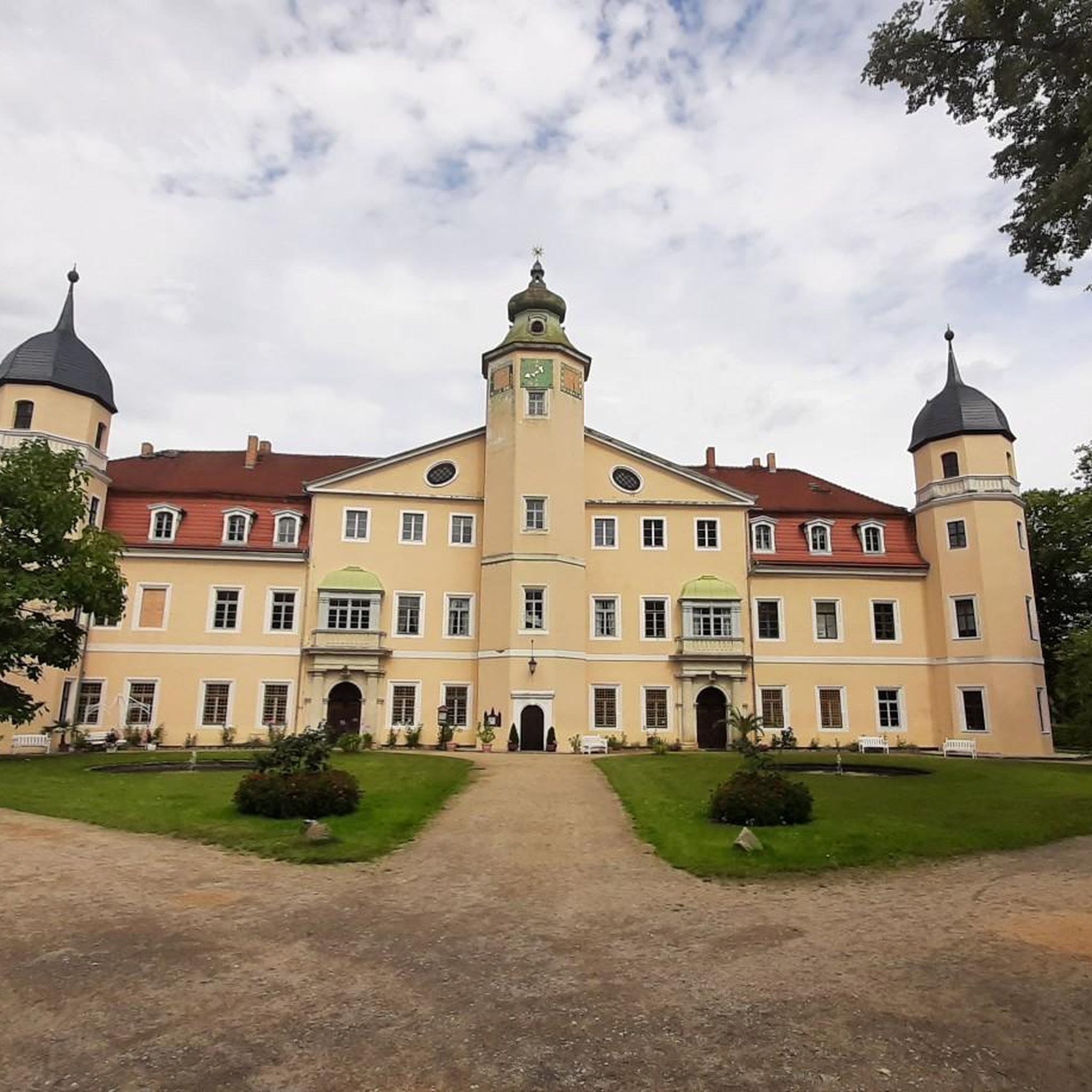
Adoménil Castle
Highlight • Castle
Translated by Google •
Tip by
Église Saint Martin
Highlight • Other
Showing Translation
Tip by

Summit of the ancient volcano
Highlight • Other
Translated by Google •
Tip by

Sign up for free to discover even more attractions around Franconville.
Sign up for free
Already have an account?
Start today with a free account
Your next adventure awaits.
Login or Signup




Tips from the Community

For several centuries, it was the old castle chapel that served as the parish church in Bayon. In 1865, Mgr Charles-Martial ALLEMAND-LAVIGNE, bishop of Nancy and Toul, moved by the advanced state of degradation of the chapel, which was threatening to collapse, urged the parishioners to raise a subscription for the reconstruction of a church worthy of a cantonal capital. It was not until 1879 that this subscription was set up by Abbé MICHEL, parish priest, and raised 101,022 F, distributed as follows: 76,022 F from subscriptions, 15,000 F donated by the church fabric, and 10,000 F by the Commune. The new church being estimated at 153,000 F, the difference was the subject of a subsidy request to the State and the Department. Work began in 1881. The new church was consecrated on September 24, 1884, by Mgr TURINAZ, bishop of Nancy and Toul. It is in the shape of a Latin cross and oriented to the West, opposite the previous church. In the Neo-Renaissance style, the building was designed by Mr. GIGOUT, architect, and built by Mr. JEUDY, contractor. In 1905, 21 years after its consecration, numerous defects were noted which compromised the structural stability of the building. The diagnosis established by the expert appointed by the Commune and the Prefect noted, among other things, the fall of a complete section of cornices onto the square, where children were playing. It also noted that vegetation was taking root and dislodging the stones. The installation of scaffolding to carry out the essential repairs allowed for a deeper diagnosis and revealed the "unheard-of" defects of the building. In October 1918, the sacristy was set on fire, as was part of the choir, where the tiling lifted in places. Cracks appeared in the transept and some plaster panels detached from the vault. In the inter-war period, the church underwent numerous repairs. On June 20, 1940, the church was hit by shell fire. The vault over the choir and the high altar were destroyed. The central vault was damaged. The lighting and the bells were put out of order. The bell tower, particularly targeted, was heavily damaged, as were the clock and the organ. From 1948 onwards, major renovations were financed thanks to "war damages". In 1952, the church was equipped with a sound system and the stained glass windows were restored. The following year, a new altar, designed by Abbé GUÉNAIRE and built by the THOMAS company of Bayon, was installed. In January 2012, following a negative opinion from the district safety commission, the church had to be closed to the public "as long as the stability of the bell tower was not assured". After very significant work was carried out, the building has welcomed the faithful again since May 2015. The Saint Martin church is 44.25 meters long, 18.25 meters wide, and originally housed 520 chairs (390 today). Its height is 15 meters under the vault and 18 meters under the dome. The spire soars to a height of 54 meters. By prefectural decree of March 28, 2012, the Saint-Martin church was entirely listed as a Historical Monument "as a representative example of Neo-Renaissance architecture in Lorraine and of the work of architect Léopold GIGOUT". It houses religious heritage which is also listed in the inventory of Historical Monuments but as "objects": a pietà and three 15th-century statues from the old church, as well as a deposition scene dating from the early 16th century and from the chapel of the Hospital.
0
0

The baroque castle of the Dukes of Lorraine is the largest in Eastern France and is considered the "Lorraine Versailles". It was severely damaged by a fire in 2003 and restored in the 2010s after high-profile fundraising campaigns. The castle and park are worth seeing.
5
0


The castle courtyard and the park are freely accessible 👍
1
0

The Château de Moyen is a 15th century fortress also known as the Château de Qui-qu'en-grogne. It was built by Conrad Bayer de Boppart, bishop of Metz, to defend his possessions against the Dukes of Lorraine. The castle was besieged and dismantled several times. Today it is partly restored and partly in ruins. You can explore the remains of the castle, such as the stately home, towers, walls and moat, and enjoy the panoramic view of the surrounding countryside. The castle is open to visitors from April to October, and you can also take part in guided tours or restoration workshops organized by a local association.
3
0
Lunéville Castle, also known as the Versailles of Lorraine, is a magnificent castle built by the Dukes of Lorraine in the 18th century. It features splendid architecture, gardens and exhibitions. You can explore the castle and its surroundings by following a guided tour or a virtual museum. The Château de Lunéville is an ideal destination for lovers of history and beauty.
3
0

Yes, the gardens are beautiful too
0
0
Former Duchy of Lorraine. This 13th century castle became an official residence in the 18th century. A nice place to see while running.
3
0
Frequently Asked Questions
What historical sites can I explore in and around Franconville?
Franconville and its surroundings offer several historical points of interest. You can visit the 11th-century Saint-Martin Church, known for its beautiful architecture. Another significant site is the Château de Franconville in Saint-Martin-du-Tertre, a post-Renaissance historical monument. Further afield, explore the magnificent Lunéville Castle, often called the Versailles of Lorraine, or the 15th-century Moyen Castle, a partly restored fortress offering panoramic views.
Are there natural parks or green spaces for relaxation and activities in Franconville?
Yes, Franconville is rich in green spaces. Parc Cadet de Vaux is perfect for leisurely strolls and picnics, often hosting community events. The Bois des Eboulures is a preserved wooded area ideal for jogging, fitness trails, and family walks. You can also enjoy the walking trails, sports fields, and playgrounds at Parc du Château de Franconville. For more extensive outdoor adventures, the nearby Montmorency Forest offers vast expanses for hiking, cycling, and wildlife observation.
What cultural attractions does Franconville offer?
Franconville provides a vibrant cultural scene. The Espace Saint-Exupéry is a key cultural center, hosting various events, exhibitions, and performances, including a theatre, multimedia library, and music school. You can also experience the local culture at the Local Markets held on Wednesdays and Saturdays, offering regional products and crafts.
What outdoor activities can I do near Franconville's attractions?
Beyond the town's parks, the region around Franconville is excellent for outdoor activities. You can find numerous routes for cycling, gravel biking, and road cycling. For example, explore routes like the 'Leisure Zone loop' for easy cycling or more challenging options such as the 'Path Along the Water' for touring bicycles. Gravel biking enthusiasts can enjoy trails like the 'Vitrimont Forest loop'. Find more details and routes on the Cycling around Franconville, Gravel biking around Franconville, and Road Cycling Routes around Franconville guide pages.
Are there family-friendly attractions or activities in Franconville?
Yes, Franconville offers several family-friendly options. Parc Cadet de Vaux and Parc du Château de Franconville both feature playgrounds and ample space for children to play and explore. The Bois des Eboulures provides easy walking trails suitable for families. Additionally, the Montmorency Forest offers a refreshing escape with opportunities for family walks and nature observation.
When is the best time to visit Franconville to enjoy its attractions and events?
The optimal time to visit Franconville is during late spring and early summer, specifically from May to June. During these months, the weather is pleasant, and the town hosts various festive events. These include the Franconville Spring Festival in May, showcasing local arts and crafts, and the Music Festival in June, celebrating diverse musical genres. A flea market also takes place in May at City Hall's parking lot.
Where can I find unique shopping experiences in Franconville?
For a unique shopping experience, visit Quai des Marques Franconville, a notable destination featuring numerous outlets with discounted designer brands. Additionally, the Local Markets held on Wednesdays and Saturdays offer regional products and crafts, providing a taste of local commerce and culture.
Are there any hidden natural gems or unique natural features to discover near Franconville?
Beyond the well-known parks, you can explore some unique natural features. Consider a visit to the Summit of the ancient volcano, where you can admire the scenery and look for pieces of basalt. Another interesting spot is the Giriviller Arboretum, which boasts a remarkable collection of hundreds of plant species, offering free entry from May to September.
What are some options for walking or hiking near Franconville?
Franconville and its vicinity provide several excellent options for walking and hiking. The Bois des Eboulures and Parc du Château de Franconville offer pleasant walking trails within the town. For more extensive hikes, the Butte du Parisis provides additional opportunities, and the vast Montmorency Forest is ideal for longer excursions and nature walks.
What do visitors enjoy most about the attractions around Franconville?
Visitors particularly appreciate the blend of historical richness and natural beauty. Highlights like Lunéville Castle are praised for their magnificent architecture and historical significance. The opportunity to explore partly restored fortresses like Moyen Castle and enjoy panoramic views is also highly valued. The region's green spaces, such as Parc Cadet de Vaux, are enjoyed for their serene environment and recreational possibilities.
Most popular routes around Franconville

Get inspired with the komoot mobile app


Explore more
Still not found the Highlight you’re looking for? See guides of the top attractions in other regions:
