The best MTB trails around Longeville-En-Barrois
4.2
(62)
156
riders
56
rides
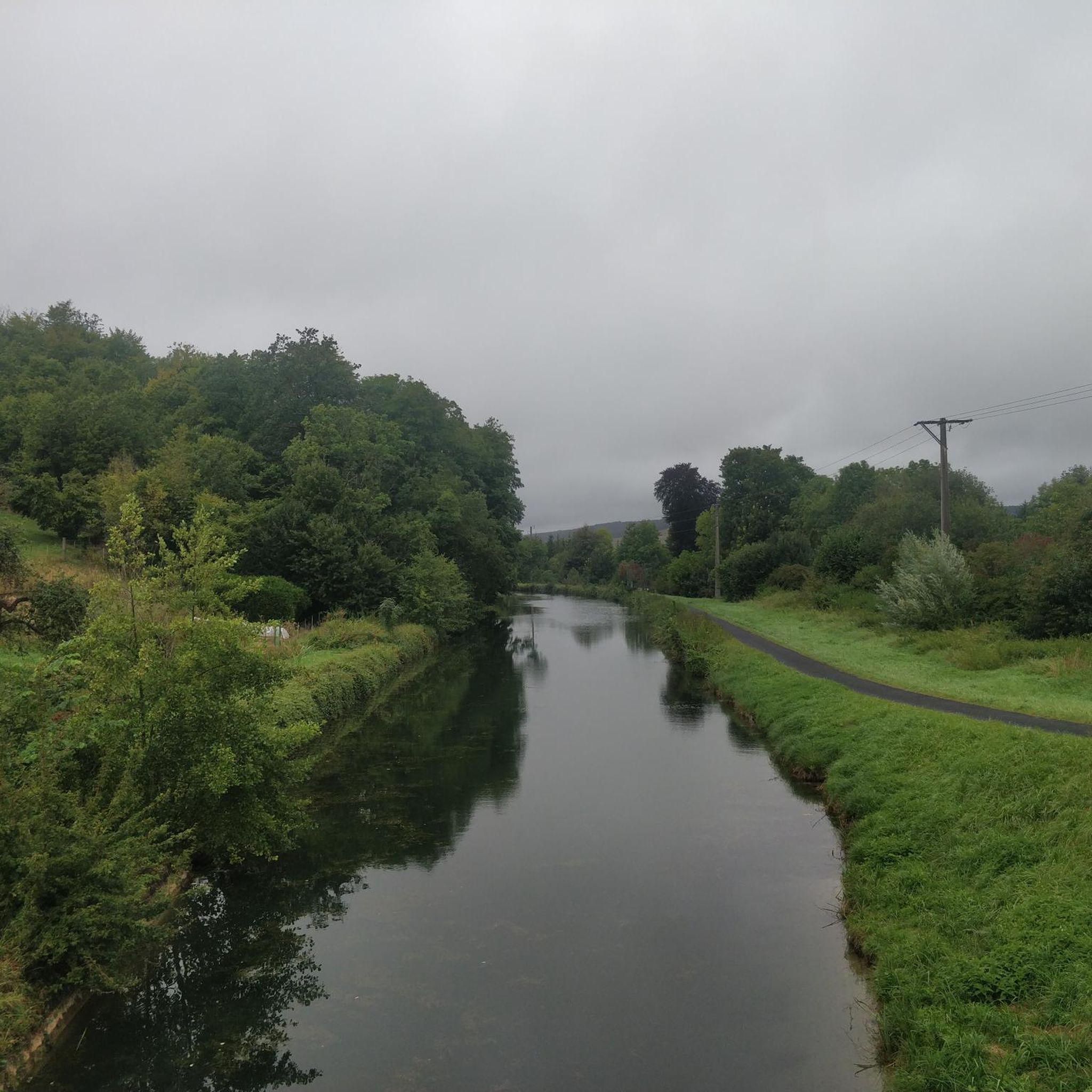
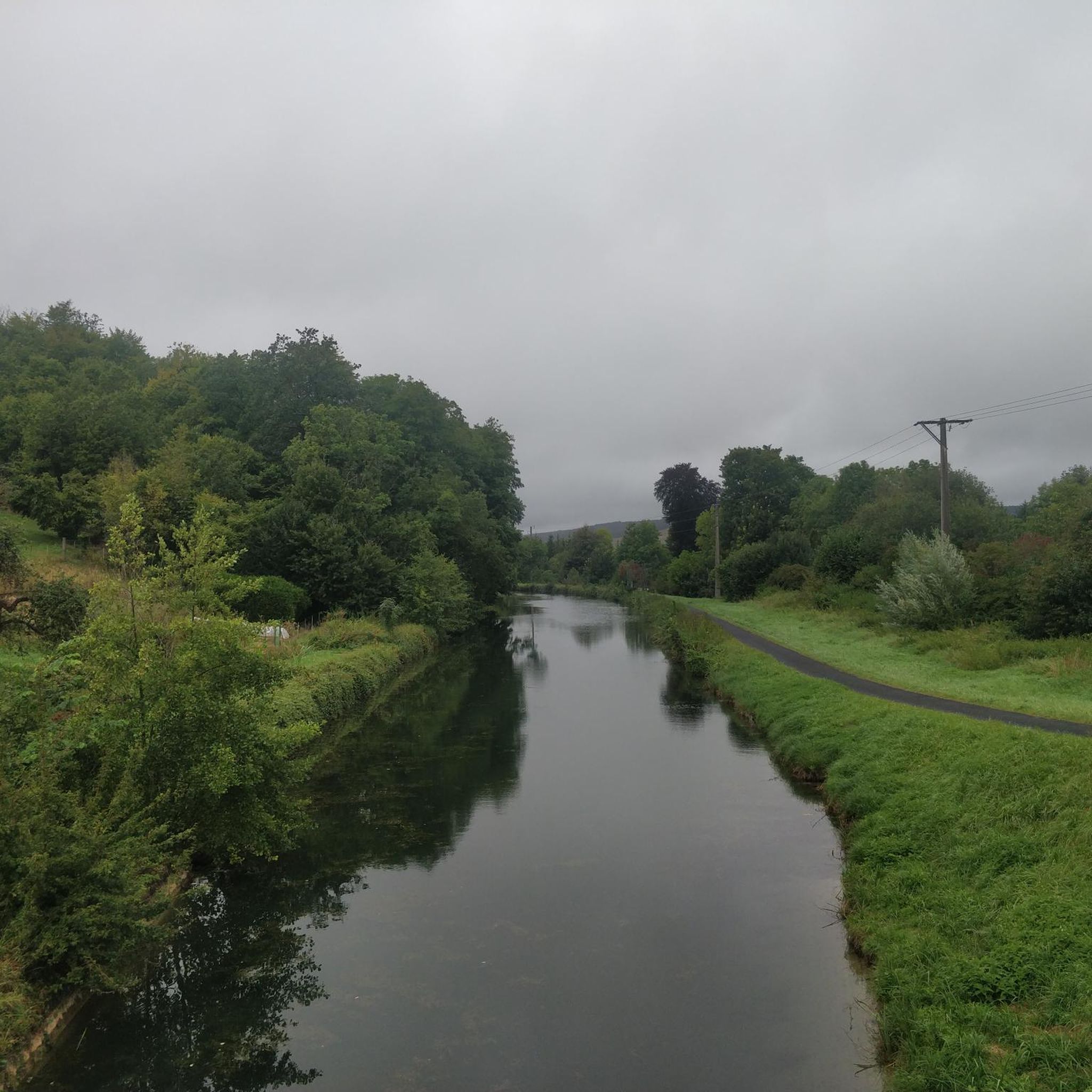
Mountain biking around Longeville-En-Barrois offers diverse landscapes suitable for various skill levels. The region features a mix of terrain, from unpaved paths and forested routes to easier rides along waterways. Riders can explore picturesque river valleys, dense forests, and rolling countryside, with some areas providing more challenging segments. This variety allows for dynamic riding experiences across different surface types and elevation changes.
Best mountain bike trails around Longeville-En-Barrois
- The most popular mountain bike trail is The Ornain – Marbeaumont Castle…
Last updated: June 25, 2026
4.2
(14)
20
riders
37.2km
03:00
350m
350m
Moderate mountain bike ride. Good fitness required. Suitable for all skill levels.
4.0
(3)
16
riders
33.1km
03:00
660m
660m
Moderate mountain bike ride. Good fitness required. Suitable for all skill levels.

Sign up for free
3.0
(1)
9
riders
40.1km
03:14
390m
390m
Moderate mountain bike ride. Good fitness required. Suitable for all skill levels.
5.0
(1)
9
riders
35.7km
02:52
410m
410m
Moderate mountain bike ride. Good fitness required. Suitable for all skill levels.
6
riders
45.4km
03:45
510m
510m
Moderate mountain bike ride. Good fitness required. Suitable for all skill levels.
Get access to more routes and recommendations from other explorers.
Sign up for free
Already have an account?
Our route recommendations are based on thousands of hikes, rides, and runs completed by other people on komoot.
Start today with a free account
Your next adventure awaits.
Login or Signup



Tips from the Community

A beautiful church and definitely worth a visit.
1
1

The monument commemorates to Pierre and Ernest Michaux, the inventors of the velocipede.
1
0


This ancient collegiate church in Gothic style, with some characteristic Renaissance elements, was built between 1315 and 1630. It houses two important works by the Lorraine sculptor Ligier Richier: Christ on the Cross between the Two Thieves and "Le Transi de René de Chalon," depicting the Prince of Orange as a skeleton. It was classified as a historic monument in 1889.
2
0
The church of Saint-Jean, in Bar-le-Duc, is a neo-Byzantine style building with references to the neo-Romanesque style. It was built in two phases, between the 19th and 20th centuries. Since the mid-19th century, the parish of Notre-Dame had an "annex" in the Brasseries district. The idea of transforming it into a church came in 1869. The following year the project was entrusted to the architect Charles Demoget. The result, a neo-Gothic building, was controversial and Demoget was removed from office, making way for Ernest Birglin who designed a new building in neo-Byzantine style. But it was only in 1875, after the creation of a fourth parish under the name of Saint-Jean, that construction of the church began. The first phase of the works lasted until 1880, but only the apse, the choir and the transept were erected. In 1933 the architect Royer opened the second phase of work, with the construction of the nave which lasted until 1939. The façade, however, remained partially unfinished.
2
0

Built from 1903 to 1905 by the Varin-Bernier banking family, the castle, whose exterior architecture and interior decoration mix all styles, represents an example of the historicism and eclecticism in vogue at that time. The building is surrounded by an English-style park.
1
0

The Château de Ville-sur-Saulx is a Renaissance castle built in 1550 by Gilles de Trèves. The castle is surrounded by a beautiful English garden and a cast iron bridge over the Saulx. You can explore the park and admire the architecture of the castle, which is listed in the inventory of historical monuments. You can also learn about the life and work of Paul Claudel, a famous French playwright who wrote one of his greatest plays, "Le Partage de Midi", at the castle. The Château de Ville-sur-Saulx is an ideal destination for history and nature lovers.
3
0

When Saint Stephen (Saint-ETIENNE) expressed his vision of the open heaven "But he, filled with the Holy Spirit, looked up into heaven and saw the glory of God and Jesus standing at the right hand of God" (Acts chapter 7 verse 55), people were outraged people care so much about it that they drove him out of town and stoned him. The memorial of Saint Stephen or Stephen, one of the seven first deacons of the early Jerusalem community, is on Boxing Day.
8
0
Frequently Asked Questions
What kind of terrain can I expect on mountain bike trails around Longeville-en-Barrois?
The region offers a diverse mix of terrain. You'll find everything from leisurely rides along waterways, such as the Canal de la Marne au Rhin, to more challenging unpaved paths and dense forest routes. The landscape includes picturesque river valleys, rolling countryside, and some segments that require good fitness due to elevation changes and varied surface types. Nearby areas like the Barrois Quarry also offer moderate, more rugged trails.
Are there mountain bike trails suitable for beginners or families in Longeville-en-Barrois?
Yes, Longeville-en-Barrois and the surrounding Meuse region offer options for various skill levels. While many trails are moderate, easier rides can be found along the Canal de la Marne au Rhin, which provides flat, scenic paths. The nearby Ligny-en-Barrois also features accessible and beginner-friendly options like "Montée des Lapins" and "Single de Sabléval".
What are some notable landmarks or scenic viewpoints along the mountain bike trails?
Many trails follow the Ornain river, offering scenic views along the waterway. You can also explore historical sites like the Marbeaumont Castle, which is featured on routes such as The Ornain – Marbeaumont Castle loop from Bar-le-Duc. The wider region boasts natural landscapes along the Meuse à Vélo route, including valleys, hills, limestone cliffs, and small tree-covered mountains, providing varied backdrops for your ride.
When is the best time of year to go mountain biking in Longeville-en-Barrois?
The region's verdant countryside and forests are particularly enjoyable during spring, summer, and early autumn. These seasons generally offer pleasant weather conditions for exploring the diverse terrain, from riverine paths to forested trails. Always check local weather forecasts before heading out.
Are there many circular mountain bike routes available?
Yes, many of the mountain bike routes around Longeville-en-Barrois are designed as loops, allowing you to start and finish at the same point. For example, A looping 42km – 27 km tour loop from Bar-le-Duc and Bridge over the Ornain – 27 km tour loop from Bar-le-Duc are popular circular options.
Where can I park my car when accessing mountain bike trails?
While specific parking areas for each trailhead are not detailed, Longeville-en-Barrois and nearby towns like Bar-le-Duc and Ligny-en-Barrois typically offer public parking options. It's advisable to check maps or local signage for designated parking near your chosen starting point, especially in urban areas or near popular attractions.
Can I bring my dog on the mountain bike trails?
The general countryside and forest trails in the Meuse region are often dog-friendly, especially if your dog is well-behaved and kept under control. However, always check specific trail regulations or local signage, particularly in nature reserves or private land, to ensure dogs are permitted. It's good practice to keep your dog on a leash and carry waste bags.
Are there any cafes, pubs, or restaurants near the mountain bike trails?
Longeville-en-Barrois itself, and especially the larger nearby town of Bar-le-Duc, offer various options for refreshments. You'll find cafes, pubs, and restaurants where you can refuel after your ride. Many routes start or pass through these towns, making it convenient to find a place to eat or drink.
What do other mountain bikers enjoy most about the trails in Longeville-en-Barrois?
The mountain bike routes in Longeville-en-Barrois are highly rated by the komoot community, with an average score of 4.3 stars from over 50 reviews. Riders often praise the diverse landscapes, from serene river paths to challenging forest sections, and the variety of options available for different fitness levels.
Are there any bike rental or repair shops in the area?
For bike rental or repair services, your best option would be to look in the larger nearby town of Bar-le-Duc. While Longeville-en-Barrois is a smaller community, Bar-le-Duc is more likely to have dedicated bike shops that can assist with rentals, repairs, or spare parts for your mountain biking adventures.
How long do mountain bike trails typically take to complete?
Trail durations vary significantly based on distance, elevation, and your riding pace. For example, a moderate route like Balade 20km – The Ornain loop from Bar-le-Duc, which is about 35.7 km, typically takes around 2 hours 52 minutes. Longer routes, such as La Saulx – Marbeaumont Castle loop from Bar-le-Duc (45.4 km), can take over 3 hours 45 minutes.
Most popular routes around Longeville-En-Barrois
Most popular attractions around Longeville-En-Barrois

Get inspired with the komoot mobile app


Explore more
Browse the best MTB trails in other regions.
