The best cycling routes around Allmannshofen
4.5
(1359)
7,742
riders
12
rides
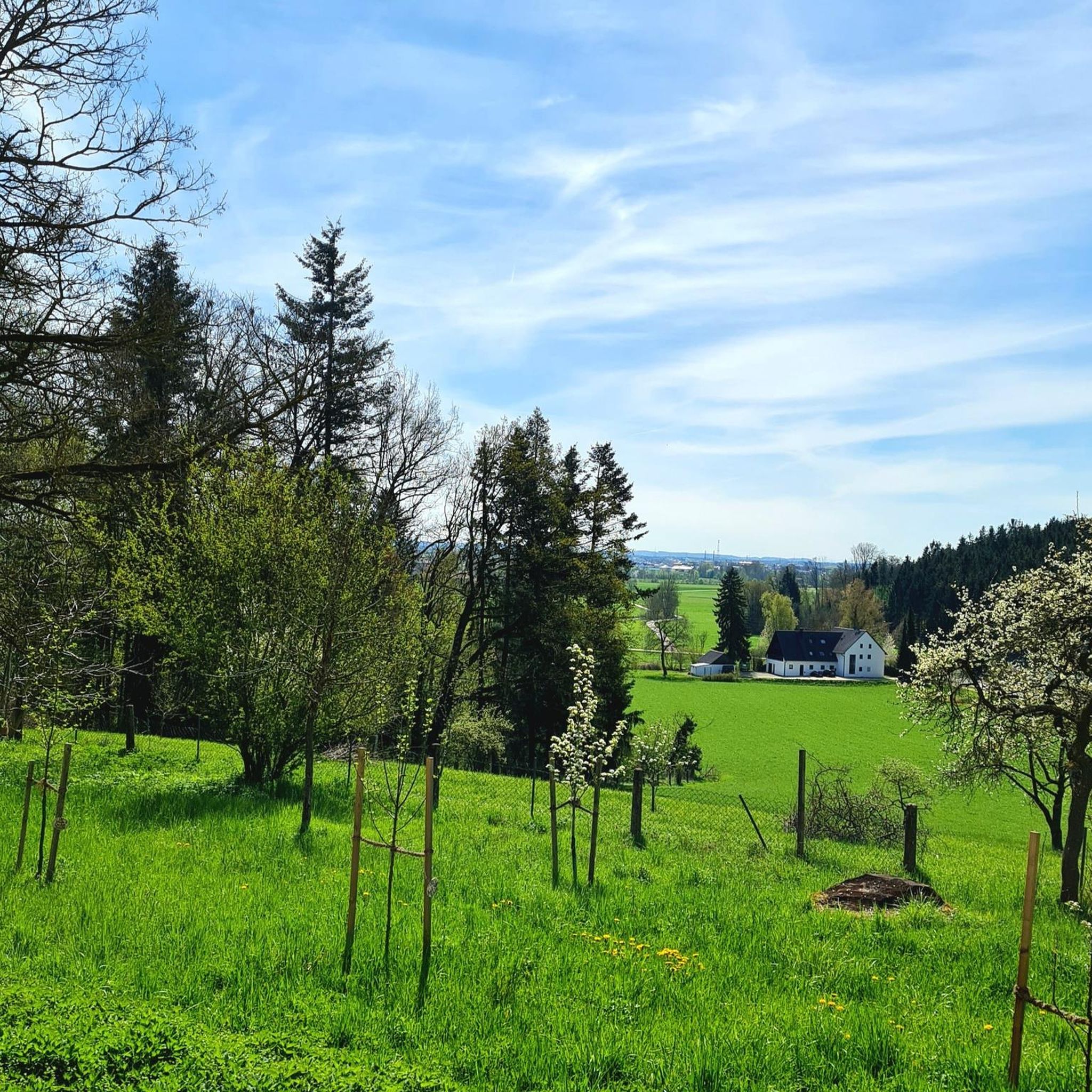
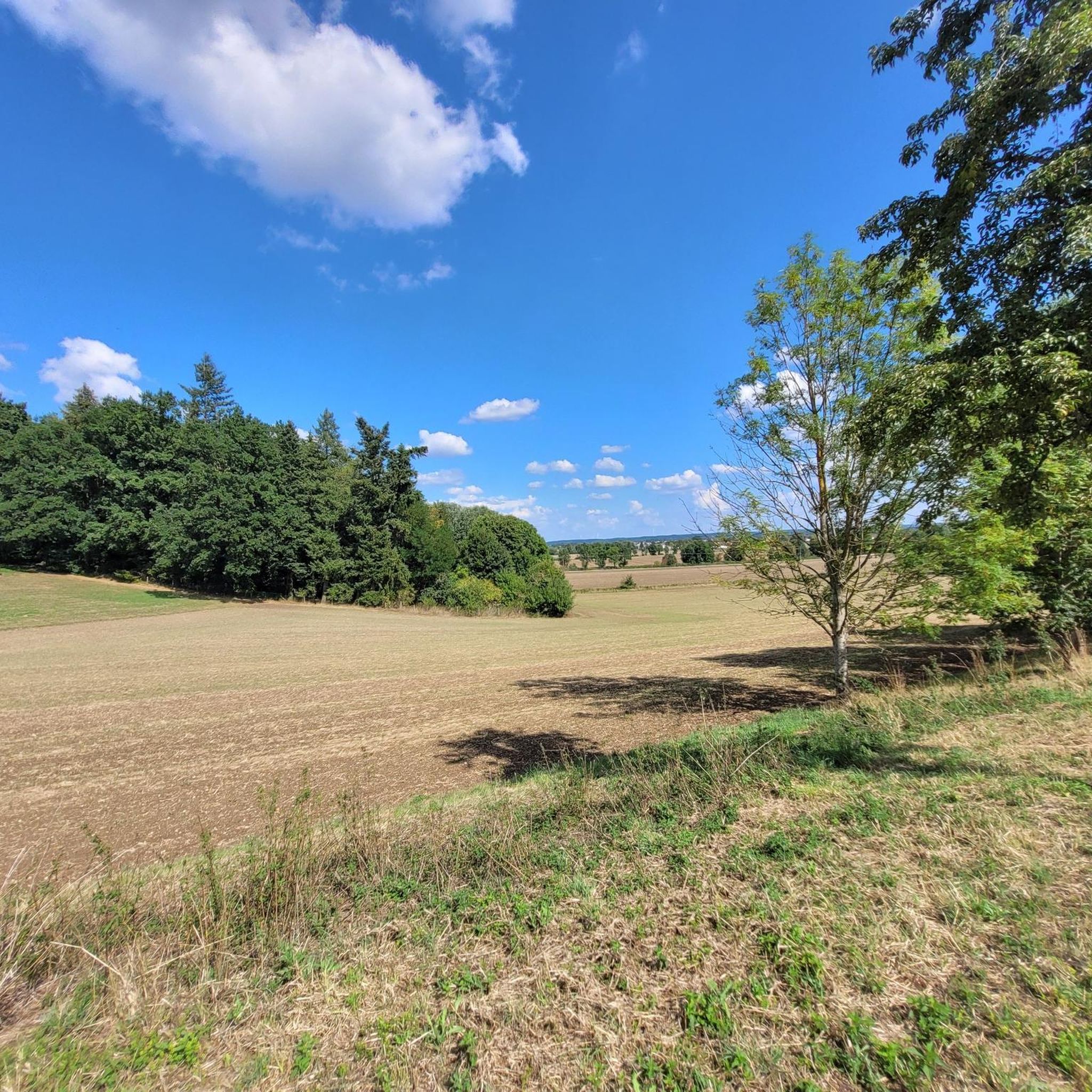
Touring cycling routes around Allmannshofen traverse an idyllic setting in the district of Augsburg, Germany. The region features picturesque landscapes, characterized by a mix of open fields, riverine areas, and rural scenery. A well-developed network of bike trails caters to various cycling preferences, offering routes with minimal elevation changes.
Best touring cycling routes around Allmannshofen
- The most popular touring cycling route is Lech Dam Ellgau – View of the River Lech loop from Allmannshofen, a 13.1 miles (21.0 km)…
Last updated: November 18, 2026
4.5
(6)
23
riders
21.0km
01:23
70m
70m
Easy bike ride. Mostly paved surfaces.
4.7
(3)
24
riders
25.7km
01:30
130m
130m
Easy bike ride. Mostly paved surfaces.

4.5
(2)
11
riders
13.8km
00:49
50m
50m
Easy bike ride. Mostly paved surfaces.
10
riders
9.51km
00:33
40m
40m
Easy bike ride. Mostly paved surfaces.
3.5
(2)
7
riders
17.0km
01:01
100m
100m
Easy bike ride. Mostly paved surfaces.
Get access to more routes and recommendations from other explorers.
Already have an account?
Our route recommendations are based on thousands of hikes, rides, and runs completed by other people on komoot.
Start today with a free account
Your next adventure awaits.
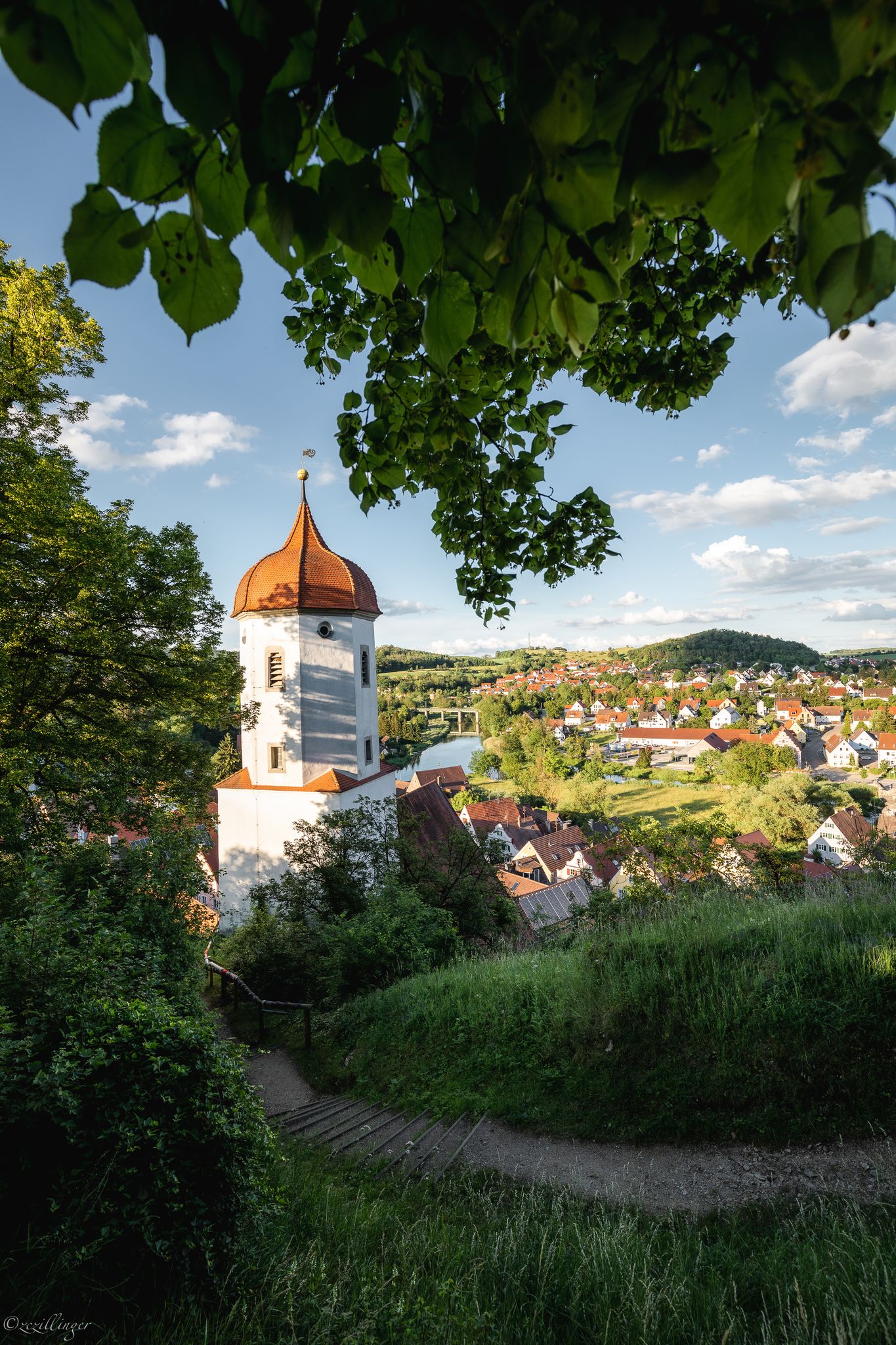
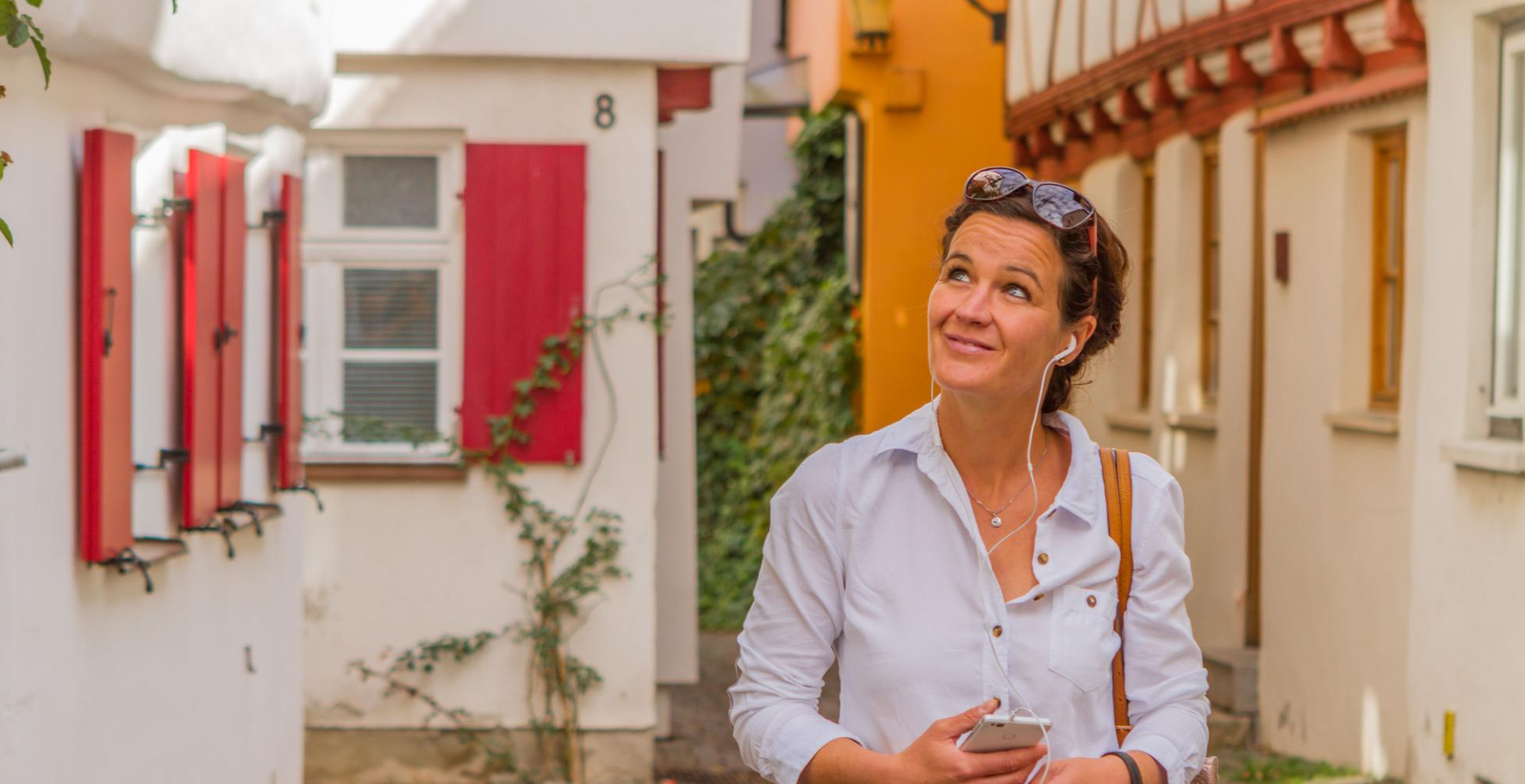
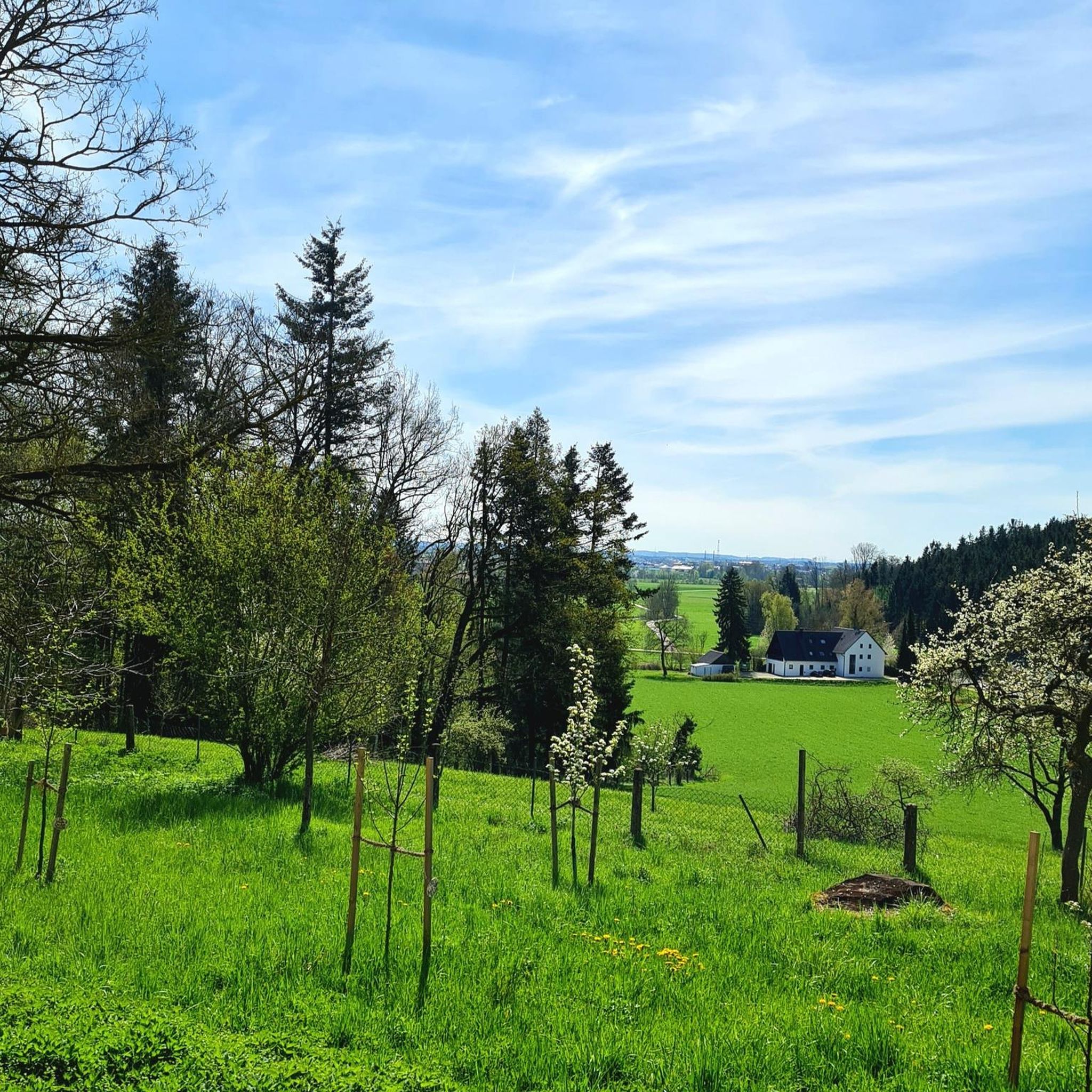
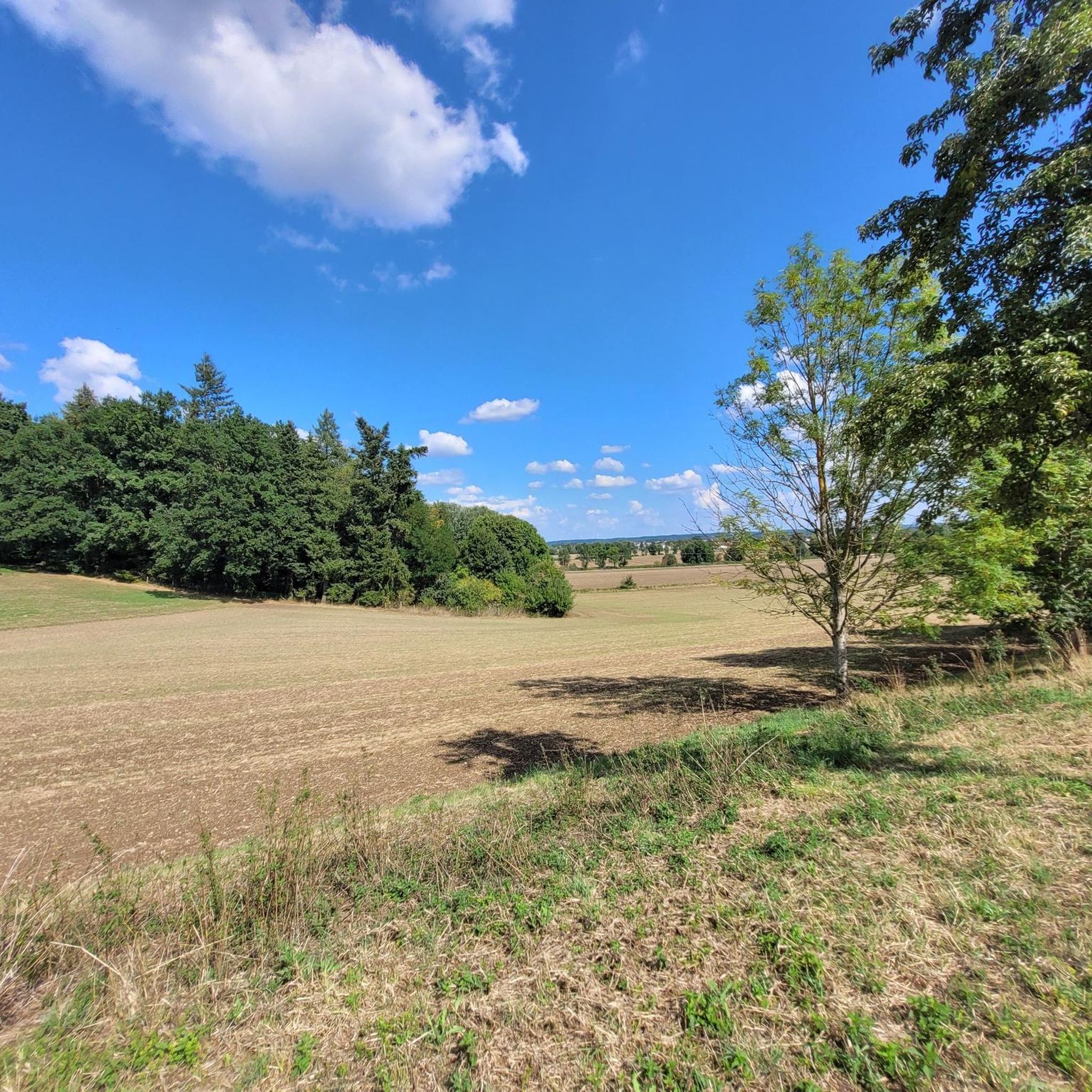


Tips from the Community

In spring, you can watch the stork pair feeding their young.
0
0


The cloister garden at Holzen Monastery was not an ornamental garden, but a place for prayer and meditation. Its original form can still be discerned in the cruciform layout of the paths in the inner courtyard. Its axes represent the four dimensions of a fulfilled life – prayer, work, rest, and physical well-being. The Benedictine nuns had the garden laid out behind high monastery walls at the end of the 17th century so that no one from the outside could see inside.
0
0

Holzen Monastery & Karlsberg – Historical Overview Today's Holzen Monastery is situated on Karlsberg, a hill rising approximately 20 meters above the Schmutter Valley near Allmannshofen. The name "Karlsberg" originates from a chapel built in the early 17th century in honor of St. Charles Borromeo. Originally, the Benedictine convent, founded in the 12th century, was located in the valley near the Schmutter River. Due to the risk of flooding and structural decay, a decision was made at the end of the 17th century to build a new monastery on the higher plateau. The monastery complex, with its prominent Baroque Church of St. John the Baptist, was constructed between 1696 and 1710 according to plans by the Vorarlberg architect Franz Beer. After secularization in 1803, the complex was initially used for secular purposes. Since 1927, it has belonged to the Dominikus-Ringeisen-Werk (Dominican Ringeisen Foundation) and today serves as a social institution, hotel, and conference center. Holzen Monastery and Karlsberg Hill form a historically developed ensemble that impressively combines the landscape, local history, and Baroque architecture of the region. schwabenmedia.de/Kirchen/Landkreis-augsburg/St-johannes-holzen.php Site plan of Holzen Monastery (PDF) kloster-holzen.de/media/78971/lageplan-kloster-holzen-2784639.pdf
0
0
Today's Fugger Castle, with its castle gardens, is the remaining vestige of a once much larger castle complex and is located in the heart of the village of Nordendorf. The complex became the seat of power for the Fugger-Nordendorf line of the Fugger family in the 16th century and shaped the village's history for centuries. After a fire in the 1860s, the former upper castle was largely demolished. Parts of the west wing, including the tower and chapel, as well as the gatehouse of the south wing, have been preserved. In the castle park, a Renaissance fountain with a coat of arms commemorates the site's aristocratic past. Today, the castle is privately owned and not open to the public, but its historical significance as a landmark of the village is clearly visible from the outside. https://de.wikipedia.org/wiki/Fuggerschloss_Nordendorf
0
0

Unfortunately in danger of collapsing and extensively cordoned off.
0
0

The hall church, built in 1731/32 on behalf of the Holzen Monastery, consists of a nave with two protruding risalits on each of its long sides, a recessed choir to the east, flanked by sacristies on both sides, and a church tower built in 1714 according to plans by Christian Wiedemann on the east wall of the choir. Source and further information: https://de.wikipedia.org/wiki/St._Vitus_(Druisheim)
0
0
Frequently Asked Questions
How many touring cycling routes are available around Allmannshofen?
There are 10 touring cycling routes around Allmannshofen, offering a variety of options for exploring the region's picturesque landscapes. Most of these routes are classified as easy, making them accessible for many cyclists.
What is the general difficulty level of touring cycling routes in Allmannshofen?
The touring cycling routes around Allmannshofen are predominantly easy, with 9 out of 10 routes falling into this category. There is also one moderate route available, but no difficult routes, making the area suitable for relaxed cycling experiences.
Are there any circular touring cycling routes in Allmannshofen?
Yes, many of the touring cycling routes in Allmannshofen are circular. For example, you can enjoy the Lech Dam Ellgau – View of the River Lech loop from Allmannshofen, which offers views of the River Lech, or the Fugger Castle Nordendorf – St. George's Church, Westendorf loop from Allmannshofen, passing historical sites and rural landscapes.
What kind of landscapes can I expect to see on a touring cycling route in Allmannshofen?
Touring cycling routes in Allmannshofen traverse an idyllic setting characterized by a mix of open fields, riverine areas, and rural scenery. The region's picturesque landscapes provide a scenic backdrop, often with minimal elevation changes, making for enjoyable rides.
What are some notable attractions or landmarks I can visit while cycling in the Allmannshofen area?
Beyond the cycling routes, you can explore several attractions. Nearby towns like Rain am Lech and Wertingen offer cultural sights. Within Allmannshofen, there's a refreshing Kneipp facility. For historical interest, consider visiting Fugger Castle Nordendorf or Rain Castle. Nature lovers might enjoy the Lechauen bei Thierhaupten Nature Reserve.
Are there any family-friendly touring cycling routes in Allmannshofen?
Given that 9 out of 10 routes are classified as easy and feature minimal elevation changes, many touring cycling routes around Allmannshofen are suitable for families. The well-developed network of bike trails allows for relaxed rides through pleasant rural scenery.
What do other cyclists say about the touring routes in Allmannshofen?
The touring cycling routes in Allmannshofen are highly rated by the komoot community, with an average score of 4.6 stars from over 1300 reviews. Cyclists often praise the idyllic setting, the well-developed network of easy trails, and the picturesque landscapes.
Are there any routes that pass by significant historical sites?
Yes, the Fugger Castle Nordendorf – St. George's Church, Westendorf loop from Allmannshofen is an easy route that passes historical sites and rural landscapes, offering a blend of natural beauty and cultural interest.
Can I find routes that offer views of the River Lech?
Absolutely. The Lech Dam Ellgau – View of the River Lech loop from Allmannshofen is a popular touring cycling route specifically designed to offer views of the River Lech, providing a refreshing waterside experience.
Are there any routes that go through agricultural land or small villages?
Yes, the St. Vitus Druisheim – Gut Schwaighof Entrance Gate loop from Allmannshofen is a great option. This route leads through agricultural land and small villages, offering a glimpse into the local rural life and scenery.
What is the longest easy touring cycling route available?
Among the easy routes, the Fugger Castle Nordendorf – St. George's Church, Westendorf loop from Allmannshofen is one of the longer options, covering 25.7 km (16.0 miles) and typically taking about 1 hour 30 minutes to complete.
Are there any routes that include chapels or other religious landmarks?
Yes, the Illemad Chapel – St. Marien Chapel in Neuweiler loop from Allmannshofen is a touring cycling route that passes by these serene religious landmarks, offering a peaceful and reflective cycling experience.
Most popular routes around Allmannshofen
Most popular attractions around Allmannshofen

Get inspired with the komoot mobile app


Explore more
Browse the best Cycling routes in other regions.
