Attractions and Places To See around Chaumuzy - Top 20
Attractions and places to see around Chaumuzy offer a blend of historical significance and cultural experiences within the Champagne region. This commune, with roots dating back to the late 6th century, features notable landmarks and sites connected to its past. Visitors can explore historical churches, unique fountains, and structures that reflect the area's heritage. The broader region is also known for its wine tourism, particularly Champagne production.
Best attractions and places to see around Chaumuzy
- The most popular attractions is…
Last updated: June 24, 2026
Abbaye de Hautvillers
Highlight • Historical Site
Translated by Google •
Tip by

Statue of Pope Urban II and viewpoint
Highlight • Other
Translated by Google •
Tip by

Sign up now to discover places like this
Get recommendations on the best single tracks, peaks, & plenty of other exciting outdoor places.
Sign up for free
Pierre Cheval Park
Highlight • Other
However, our village lacked a public space to represent Dom Pierre Pérignon.
Translated by Google •
Tip by

Prieuré de Binson military cemetery
Highlight • Other
Translated by Google •
Tip by
La Cave aux Coquillages
Highlight • Other
Translated by Google •
Tip by
Sign up for free to discover even more attractions around Chaumuzy.
Sign up for free
Already have an account?
Start today with a free account
Your next adventure awaits.
Login or Signup
Tips from the Community

In a brochure entitled "A Call for Peace, Because Peace Is Possible," Father Klaus Schäfer of the Pallottine Order (Societas Apostolatus Catholici), founded in the mid-19th century by Saint Vincent Pallotti, writes: "The large military cemeteries of the two World Wars, not only those located in France, clearly demonstrate that former enemies can become friends. After the two bloodbaths of these nations, there were no recriminations about who shot first, who was more guilty, who was more cruel... instead, there was a clean break and a genuine new beginning. For this reason, the large military cemeteries of the two World Wars are worthy of being declared World Heritage Sites. This is not to elevate war to the status of culture, but to show the world that even after such a bloody past, peace is possible. Europe has shown us: PEACE IS POSSIBLE. Former enemies can become friends, true friends." (Fr. Klaus Schäfer SAC)
0
0
The Holy Father known as Pope Urban II was born here around 1035. His name is known as Odon de Lagery, also Eudes de Châtillon, or Otton de Châtillon. He joined the Benedictine Order named after Benedict of Nursia (OSB for the Latin "Ordo Sancti Benedicti") and became prior of the highly important Cluny Abbey. In 1088, he was elected pope, taking the name Urban II. As the supreme shepherd of the Roman Catholic Church, he supported the Reconquista in Spain and the First Crusade in support of Byzantium. His theological reasoning was based on the second chapter of the Old Testament Book of Daniel, which describes a turning point in history. He died in 1099. His feast day in the calendar of saints is July 29, the recorded date of his death.
0
0

Hautvillers, the birthplace of Champagne, is known worldwide for the presence of Dom Pierre Pérignon's tomb within its church and his undeniable role in the birth of Champagne. However, our village lacked a public space to represent Dom Pierre Pérignon. Erecting a statue in his likeness in the heart of the village: a project that has become a reality! This monumental work was erected within the grounds of Pierre Cheval Park and inaugurated on Saturday, June 11, 2022. This work by sculptor Juan Carlos Carrillo combines the "weight of history and originality." Both traditional and modern, this creation symbolizes all the sensations evoked by the name Champagne: voluptuousness, conviviality, sharing, joy, and lightness! A character, a story, a village, and an essential beverage were commemorated and honored during this colorful and surprising inauguration. The Dom Pérignon statue has become a must-see during your visit to the village: come and toast with Dom Pérignon! (c) https://hautvillers.fr/oenotourisme/hautvillers-en-france/92-statue-dom-perignon-parc-pierre-cheval
0
0

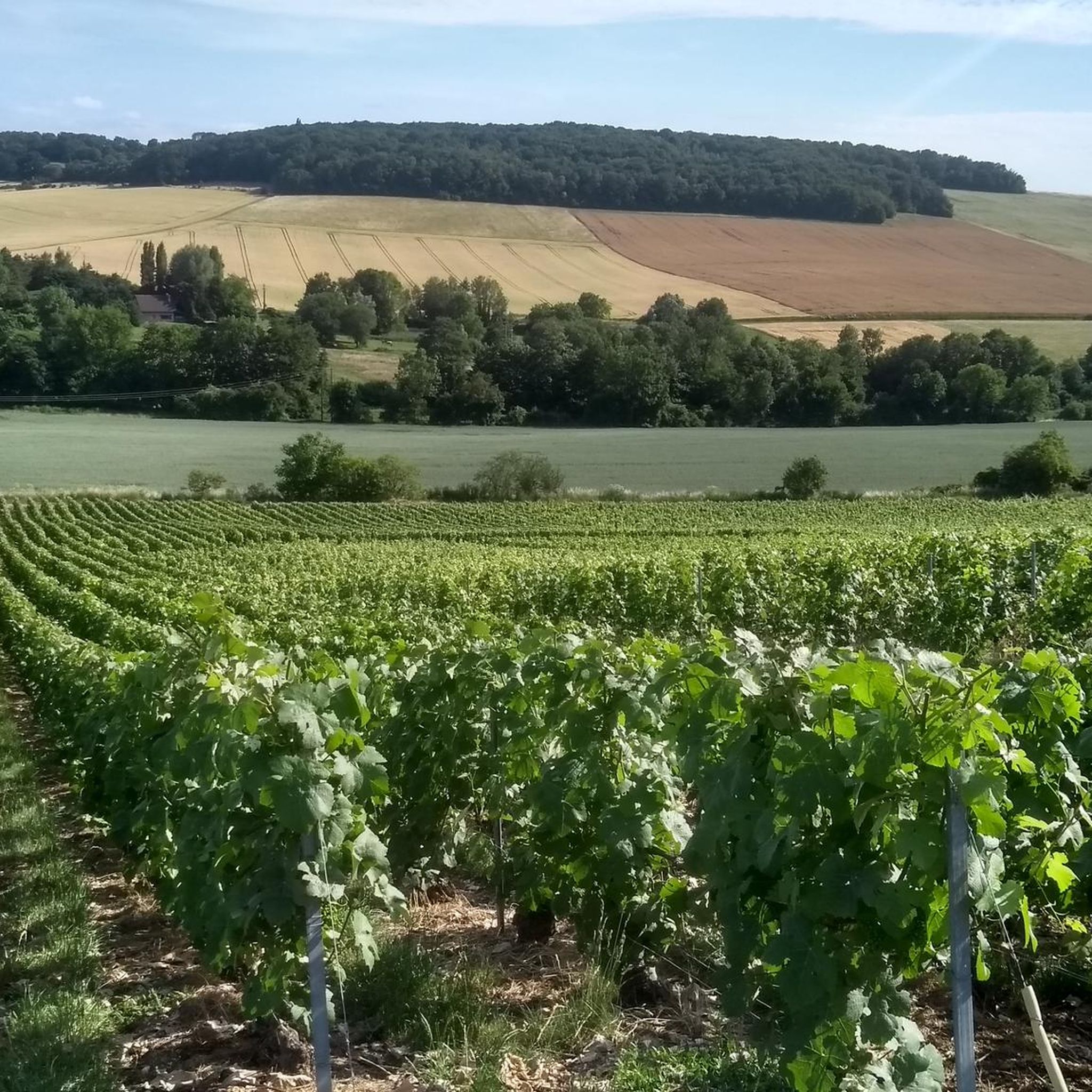
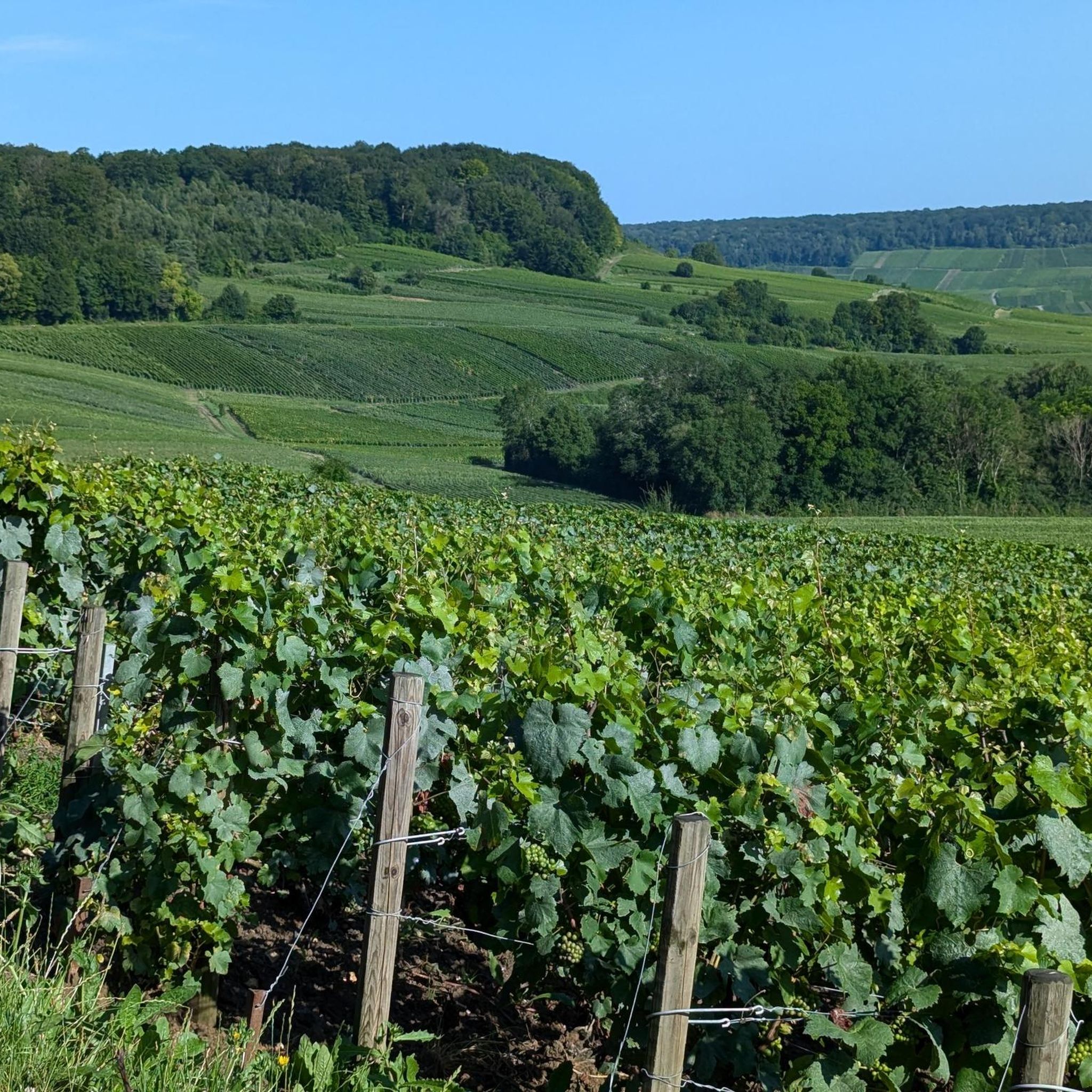
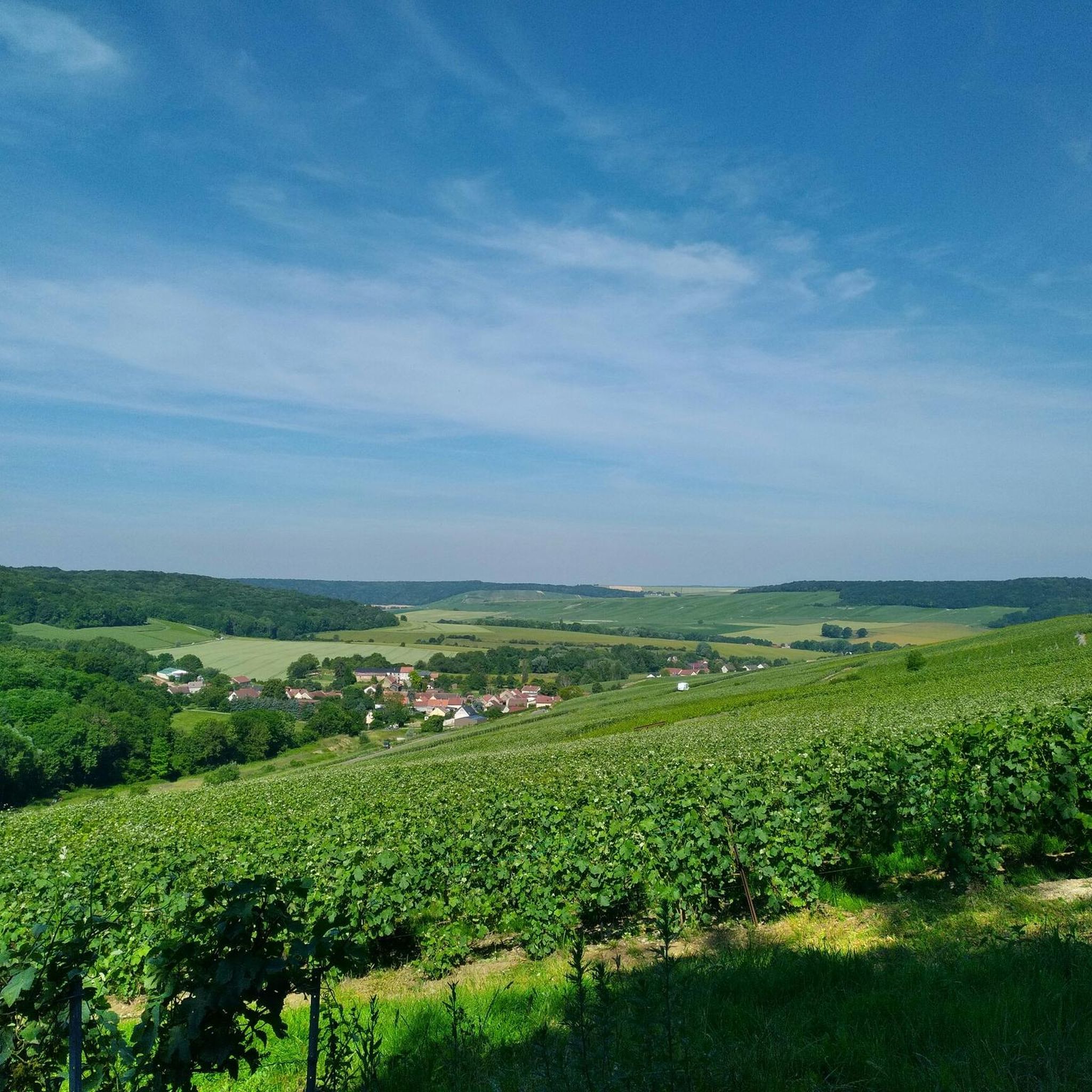
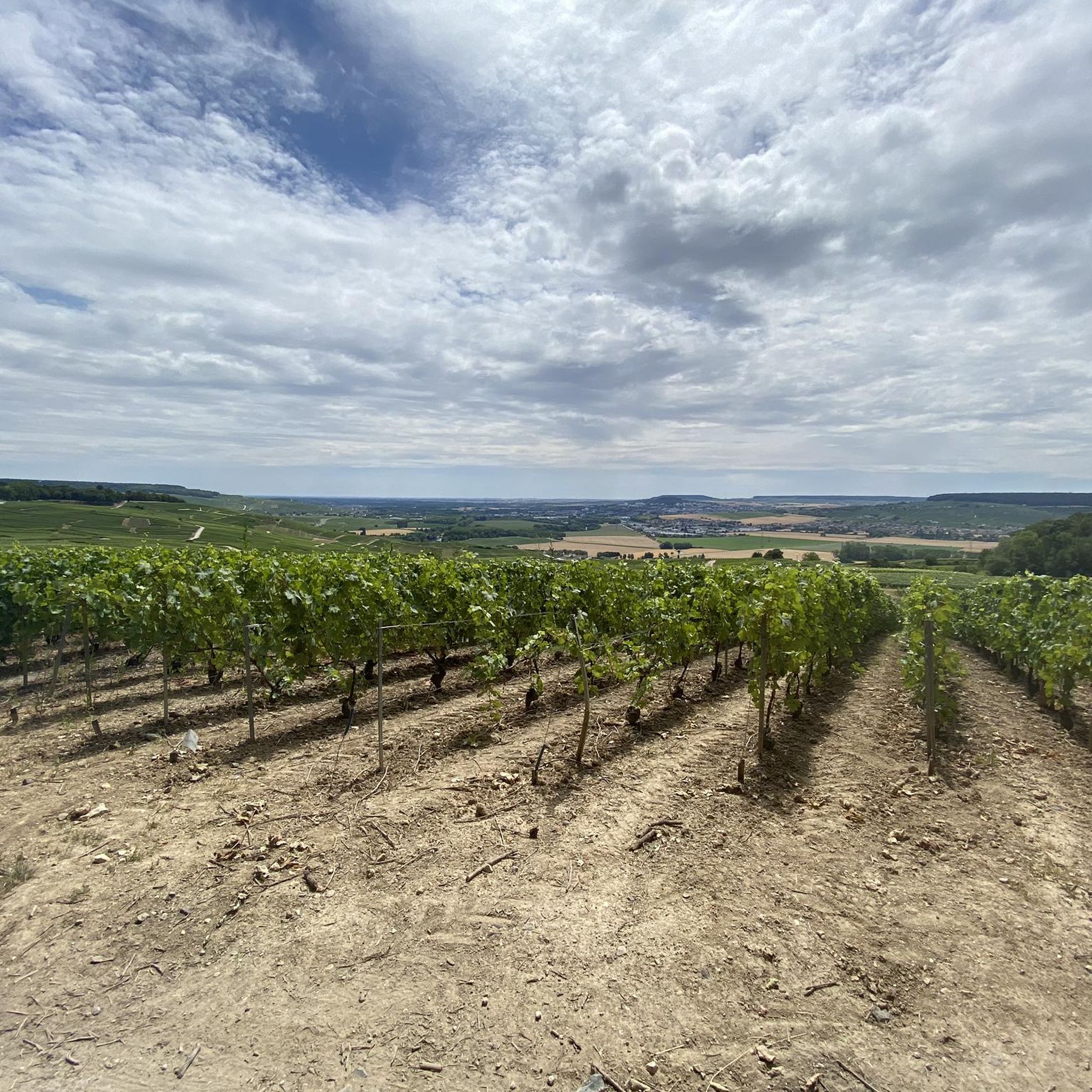
The view from the beautiful rest areas around the monument of Pabst Urban II over the Marne valley and the vineyards of Champagne is magnificent ☺️
2
0

very interesting to see absolutely!
0
0

Simply great 😊 please enjoy the view 😌
2
0
Simply climb up from the Marne and visit the abbey and the grave of Dom Pierre Perignon. But please do it calmly and respectfully, not like the group of proletarians this morning 🙏
2
1
The pope known as Pope URBAN II was born here around the year 1035. The versions of his name that are circulating are Odon de Lagery, also: Eudes de Châtillon, Otton de Châtillon. He joined the Benedictine Order named after Benedict of Nursia (OSB for the Latin "Ordo Sancti Benedicti") and became prior of the very important Cluny Abbey. In the year of our Lord 1088 he was elected pope and took the name URBAN II. As the supreme shepherd of the Roman Catholic Church, he supported the Reconquista in Spain and the first crusade in support of Byzantium. His theological justification was based on the second chapter of the Old Testament book of Daniel, where a turning point is described. He died in 1099. His memorial day in the calendar of saints is July 29, the recorded date of his death.
2
1
Frequently Asked Questions
What historical and cultural sites can I visit in Chaumuzy itself?
In Chaumuzy, you can explore the Saint Cancien Church, which features a Romanesque bell tower-porch and medieval statues. The Saint Remi Fountain, located on a square of the same name, is steeped in local legend and houses a Romanesque bas-relief. You can also see the 19th-century Mairie École (Town Hall School) with its belfry and several old washhouses, one of which is still operational.
Are there any significant religious sites or abbeys nearby?
Yes, a prominent religious site nearby is Abbaye de Hautvillers, considered the birthplace of the Champenoise method. Visitors can explore the abbey church and find the tomb of Dom Pérignon. Within Chaumuzy, the Saint Cancien Church also holds historical and religious significance.
Where can I learn about the region's military history?
You can visit the Prieuré de Binson military cemetery, where over 2,500 soldiers who fell during the spring offensive of 1918 are buried. This site serves as a poignant reminder of the area's past.
Can I experience Champagne production or wine tasting in the Chaumuzy area?
Absolutely. Chaumuzy is home to Champagne Salmon, a family-owned estate offering tours and tastings. They specialize in 100% Meunier Champagnes. Additionally, the Vineyard Worker Sculptures Along the Marne depict various steps in the winemaking craft, providing a visual insight into the process.
What outdoor activities or routes are available around Chaumuzy?
The area around Chaumuzy offers a variety of outdoor activities, particularly cycling and running. You can find numerous routes for road cycling, general cycling, and jogging. For detailed routes, explore the Road Cycling Routes around Chaumuzy, Cycling around Chaumuzy, and Running Trails around Chaumuzy guides.
Are there cycling routes suitable for different skill levels near Chaumuzy?
Yes, the region offers cycling routes for various skill levels. For road cycling, you can find moderate routes like the "Champagne Tourist Route – View of Hautvillers loop" or more difficult ones such as the "Hautvillers height – Route du vignoble loop." General cycling options also range from moderate to difficult. Check the Road Cycling and Cycling guides for more details.
Where can I find running trails around Chaumuzy?
There are several running trails available near Chaumuzy, generally rated as moderate difficulty. Popular options include the "La Grand Mare loop from La Neuville-aux-Larris" (8.8 km), the "Italian Military Cemetery loop from Bligny" (7.4 km), and various other loops from nearby villages. You can find more options in the Running Trails around Chaumuzy guide.
Are there family-friendly attractions in the Chaumuzy area?
Yes, the Vineyard Worker Sculptures Along the Marne are considered family-friendly. These sculptures offer an engaging way to learn about the winemaking process. Exploring the historical sites like the Saint Cancien Church and the Saint Remi Fountain can also be an educational experience for families.
Where can I find the best viewpoints to appreciate the landscape?
For stunning views, visit the Statue of Pope Urban II and viewpoint, which offers a vantage point over the Marne valley. Additionally, the heights near Abbaye de Hautvillers provide an extraordinary view of the Marne valley and the town of Epernay.
What is the best time of year to visit Chaumuzy?
The Champagne region, including Chaumuzy, is beautiful during spring (April-May) when the vineyards begin to green, and autumn (September-October) for the grape harvest and vibrant fall colors. Summer (June-August) offers pleasant weather for outdoor activities, while winter can be quieter but still charming for exploring historical sites.
Are there any unique local legends or stories associated with Chaumuzy?
Yes, the Saint Remi Fountain is linked to a local legend. It is said that Saint Remi, a frequent visitor to Chaumuzy, once stopped near a barely flowing spring, which miraculously increased its flow at his sight. The fountain's bas-relief is believed to depict Christ, Saint Remi, and Saint Cancien.
What other significant historical sites are in the broader region near Chaumuzy?
Beyond Chaumuzy, the broader region, especially Reims, offers UNESCO World Heritage sites such as the Notre-Dame Cathedral, the Palais du Tau, and the Abbey and Basilica of Saint-Remi. The village of Hautvillers, home to Abbaye de Hautvillers, is also a key historical site.
Most popular routes around Chaumuzy

Get inspired with the komoot mobile app


Explore more
Still not found the Highlight you’re looking for? See guides of the top attractions in other regions:
