The best MTB trails around Cormoyeux
4.1
(104)
666
riders
95
rides
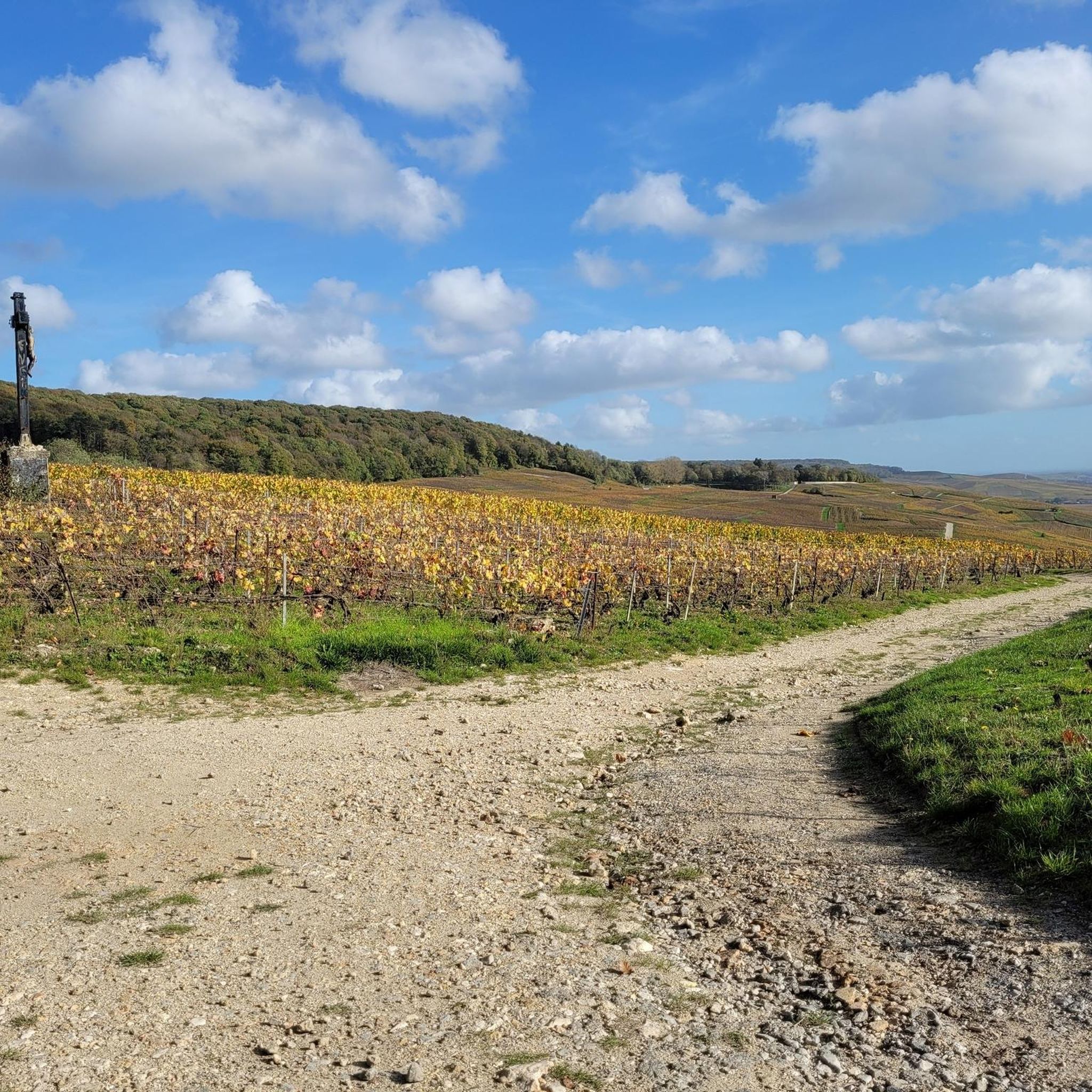
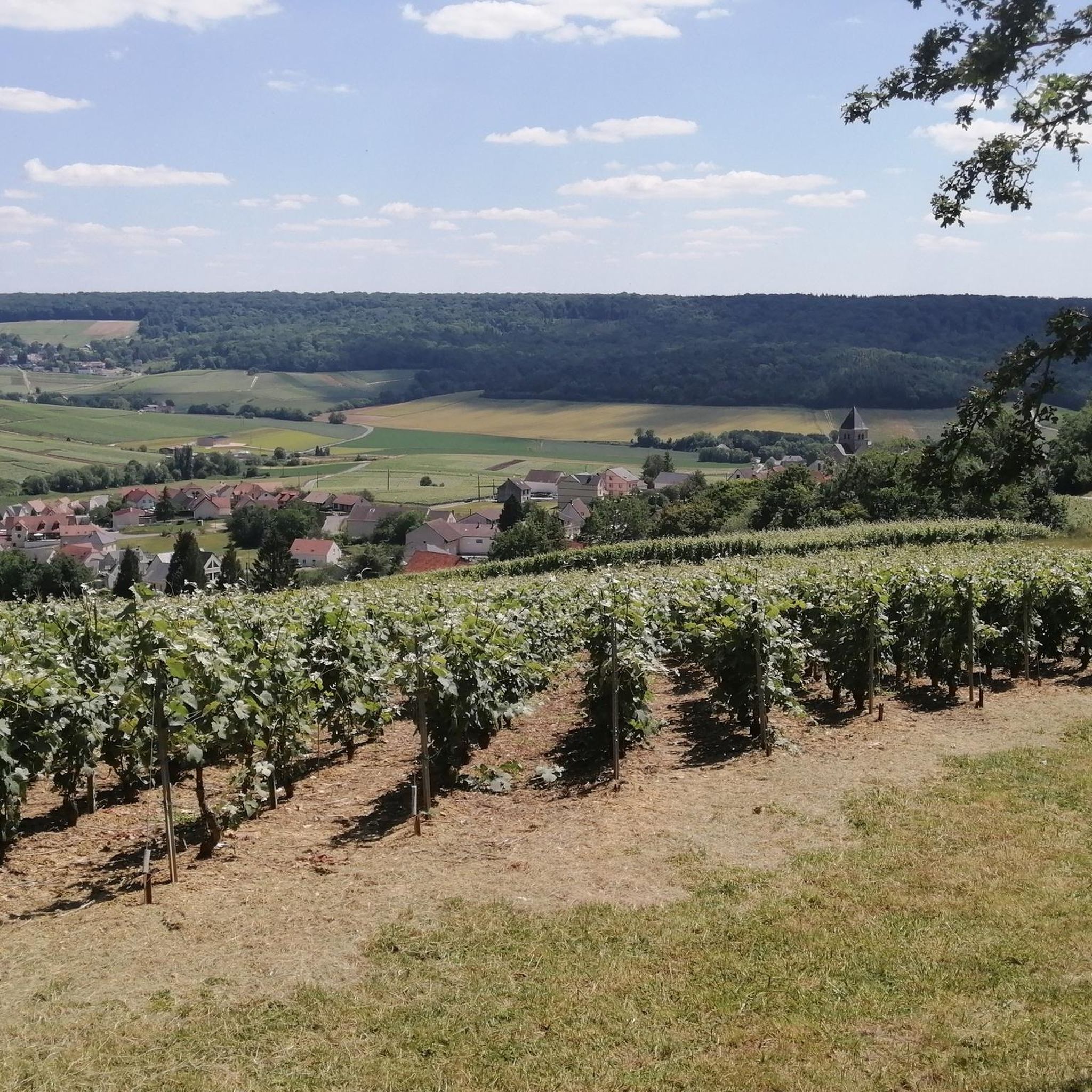
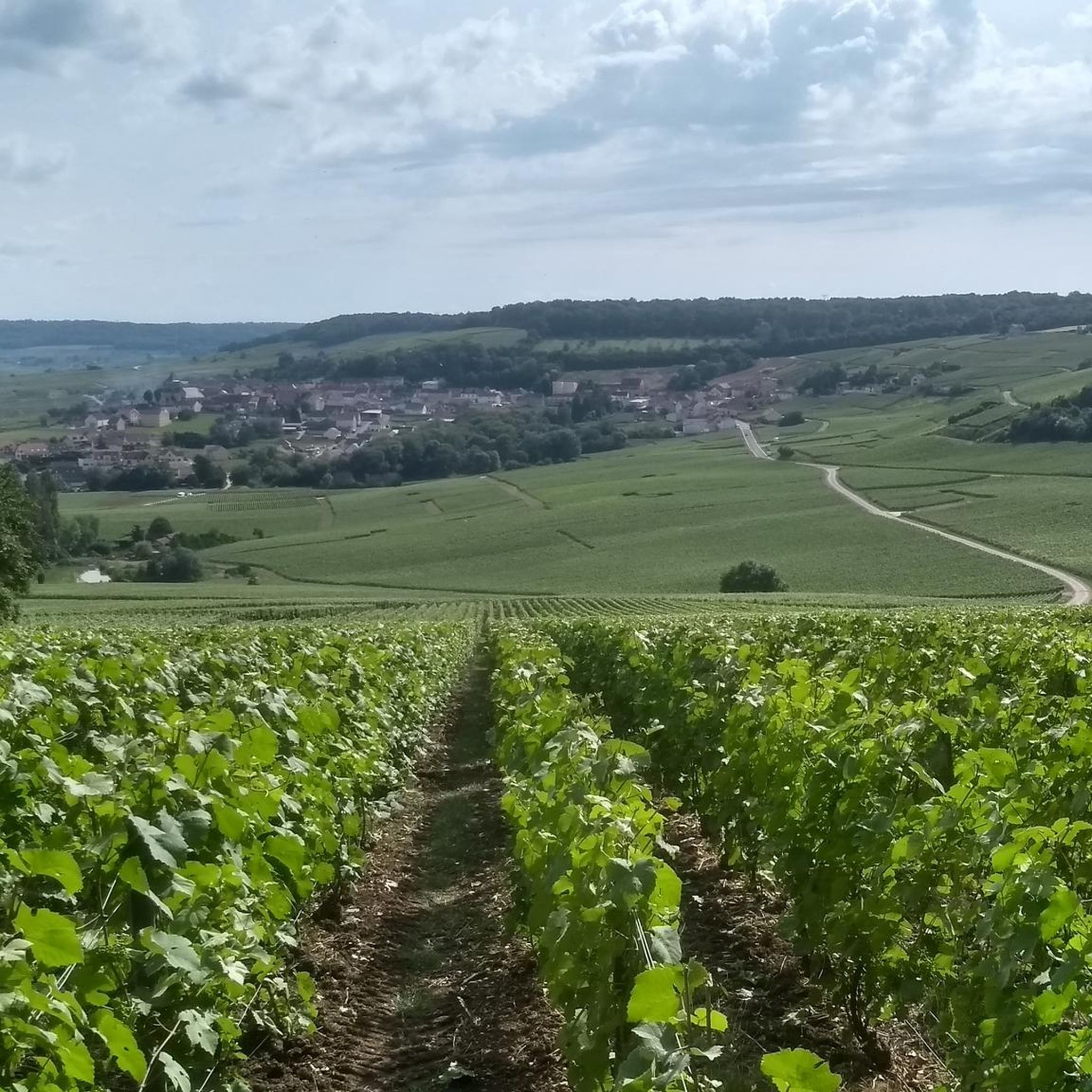
Mountain biking around Cormoyeux offers diverse terrain within the Montagne de Reims Regional Natural Park. The region features wooded plateaus, vine-planted hillsides, and varied altitudes, ranging from 175 to over 250 meters. This creates a dynamic landscape with elevation changes, from the valley of the Ru de Brunet to higher, forested areas. The natural park provides a preserved environment with a network of paths suitable for mountain biking.
Best mountain bike trails around Cormoyeux
- The most popular mountain bike trail is Avenue de Champagne – Mutigny Ponds loop from Mardeuil, a 22.7 miles (36.5 km) trail that takes 2 hours 46 minutes to complete, winding through vineyards and past scenic ponds.
- Another top favourite among local mountain bikers is Reims mountain – Sermiers marked trail loop from Champillon, a moderate 25.7 miles (41.4 km) path, offering views of the Reims mountain area and surrounding forests.
- Local mountain bikers also love the The Cuchery bottle – The Giant Bottle of Cuchery loop from Cuchery, a 18.8 miles (30.3 km) trail leading through vine-clad hillsides and rural landscapes, often completed in about 2 hours 37 minutes.
- Mountain biking around Cormoyeux is defined by wooded plateaus, vine-clad hillsides, and varied altitudes. The network offers options for different ability levels, from easy family-friendly routes to more challenging ascents.
- The routes in Cormoyeux are highly rated by the komoot community with an average score of 4.1 stars from over 100 reviews. More than 600 mountain bikers have used komoot to explore Cormoyeux's varied terrain.
Last updated: July 5, 2026
4.2
(10)
14
riders
36.5km
02:47
410m
410m
Moderate mountain bike ride. Good fitness required. Suitable for all skill levels.
3.0
(3)
9
riders
41.5km
02:53
610m
610m
Moderate mountain bike ride. Good fitness required. Suitable for all skill levels.

Sign up for free
5.0
(2)
21
riders
30.3km
02:38
430m
440m
Moderate mountain bike ride. Good fitness required. Suitable for all skill levels.
3.5
(2)
9
riders
31.8km
02:42
400m
390m
Moderate mountain bike ride. Good fitness required. Advanced riding skills necessary.
4.3
(3)
4
riders
18.3km
01:27
280m
280m
Moderate mountain bike ride. Great for any fitness level. Advanced riding skills necessary.
Get access to more routes and recommendations from other explorers.
Sign up for free
Already have an account?
Our route recommendations are based on thousands of hikes, rides, and runs completed by other people on komoot.
Start today with a free account
Your next adventure awaits.
Login or Signup

Tips from the Community

Long and shady passage, highly recommended in summer.
0
0

Some of the buildings are monumental and an expression of capital - but even the small winemakers have very good champagnes to offer that are in no way inferior to the big houses!
1
0

We had to cross the main road in a rather adventurous way, as we had previously taken a different turn in the forest. It would have been better to stay on the route in the forest and walk towards the town.
0
1

In 2011[9], the idea for the current Museum of Champagne and Regional Archaeology was born. The project was approved by the French Ministry of Culture in 2014, and in 2016 the renovation work was entrusted to the architectural firm Frenak + Jullien. Work began in 2018, under the supervision of the chief architect of historical monuments Lionel Dubois. Château Perrier has now been restored and contains one of the most important archaeological exhibits in France, with some 80,000 regional artefacts (dating from the Paleolithic to the Early Middle Period) and 4,000 artefacts relating to the history of Champagne wine (since 1960).[10]
4
0
The Château Perrier, at number 13, was built from 1852 to 1857[9] by the architect Pierre-Eugène Cordier, in an eclectic Louis XIII style. In 1854[10], the couple Pierre-Nicolas Perrier, a cork manufacturer, and Adèle Jouët (the founders of the Perrier-Jouët champagne house), who had married in 1811, commissioned the construction of this castle. The four facades are inspired by the architecture of the French Renaissance, to the Parisian image of the Palais du Luxembourg, the Palais des Tuileries or the Lescot of the Louvre. The facades are a play of colours with materials such as brick, natural stone, slate and glass.
4
0
In his day, the fermentation of wine in the bottle, which produces sparkling wine, was a huge problem for winemakers. When colder weather arrived in autumn, the fermentation process would sometimes halt before all the fermenting sugar in the wine had been converted into alcohol. If this wine was bottled at this stage, it literally became a time bomb. When the weather warmed in spring, the remaining yeast would begin to work again, producing carbon dioxide, which would at least force the cork out of the bottle and often cause the bottle to explode, setting off a chain reaction in nearby bottles. This posed a danger to workers and sometimes destroyed an entire year's worth of wine production.[citation needed] Dom Pérignon sought to prevent this imperfect fermentation and introduced several improvements that are still in use in the Champagne region today, such as the extensive blending of wines from different winemakers.
4
0
Pierre Pérignon (Sainte-Menehould, 1639 - Hautvillers, 24 September 1715) known as Dom Pérignon was a Benedictine monk to whom the méthode champenoise, the method of making champagne, is often attributed. The best champagne of the Moët et Chandon winery is also named after him: champagne Dom Pérignon. Legend has it that he exclaimed: "Come quickly, I'm tasting the stars!" when he tasted the first sparkling champagne. The reality is, however, that although the Dom worked tirelessly to improve the wines of the Champagne region, he invented neither sparkling wine nor champagne.
4
0

simply fantastic and enjoy at least 1 glass of champagne ;)
4
1
Frequently Asked Questions
How many mountain bike trails are available around Cormoyeux?
There are over 80 mountain bike trails around Cormoyeux, offering a wide range of options for different skill levels. These routes traverse the varied terrain of the Montagne de Reims Regional Natural Park.
What kind of terrain can I expect on mountain bike trails in Cormoyeux?
You can expect a diverse landscape featuring wooded plateaus, picturesque vine-planted hillsides, and varied altitudes ranging from 175 to over 250 meters. The trails offer dynamic elevation changes, from the valley of the Ru de Brunet to higher, forested areas, providing an engaging experience for mountain bikers.
Are there easy mountain bike trails suitable for beginners or families in Cormoyeux?
Yes, out of the 85 available routes, 19 are classified as easy, making them suitable for beginners or families looking for a more relaxed ride. The Montagne de Reims Regional Natural Park is known for having trails that cater to a range of skill levels.
What are some popular moderate mountain bike trails in the area?
Many mountain bikers enjoy the moderate trails around Cormoyeux. Popular options include the Avenue de Champagne – Mutigny Ponds loop from Mardeuil, which winds through vineyards, and the Reims mountain – Sermiers marked trail loop from Champillon, offering views of the Reims mountain area and forests.
Can I find circular mountain bike routes around Cormoyeux?
Yes, many of the mountain bike trails around Cormoyeux are designed as loops, allowing you to start and finish at the same point. An example is The Cuchery bottle – The Giant Bottle of Cuchery loop from Cuchery, which takes you through vine-clad hillsides and rural landscapes.
What do other mountain bikers say about the trails in Cormoyeux?
The mountain bike trails around Cormoyeux are highly rated by the komoot community, with an average score of 4.1 stars from over 100 reviews. More than 600 mountain bikers have used komoot to explore the varied terrain, often praising the scenic beauty of the vineyards and forests.
Are there any interesting landmarks or attractions to see along the mountain bike trails?
Yes, the region is rich in attractions. You can explore the famous Avenue de Champagne in Epernay, visit the historic Abbaye de Hautvillers, or learn about the region's heritage at the Champagne Wine and Regional Archaeology Museum (Château Perrier). The trails often pass through or near these significant sites.
What is the best time of year for mountain biking in Cormoyeux?
The Montagne de Reims Regional Natural Park is enjoyable throughout the year, but spring and autumn offer particularly pleasant conditions with mild temperatures and vibrant scenery. Summer can also be great, especially for rides through the cooler, wooded sections. Always check local weather conditions before heading out.
Are there mountain bike trails that go through vineyards?
Absolutely. Cormoyeux is nestled in the heart of the Champagne region, and many trails wind through the picturesque vine-planted hillsides. These routes offer stunning views of the vineyards and the surrounding countryside, providing a unique cycling experience.
Is Cormoyeux well-connected by public transport for accessing mountain bike trails?
While Cormoyeux itself is a small commune, its proximity to larger towns like Epernay (8 km) and Reims (19 km) means you can often find public transport options to get closer to the region. However, for direct access to many trailheads, personal transport is generally recommended for convenience.
Are there any specific permits required for mountain biking in the Montagne de Reims Regional Natural Park?
Generally, no specific permits are required for mountain biking on the marked trails within the Montagne de Reims Regional Natural Park. However, it's always advisable to respect local signage, stay on designated paths, and be mindful of private property, especially around vineyards.
Can I find mountain bike routes that include forest sections?
Yes, the Montagne de Reims Regional Natural Park is characterized by extensive wooded plateaus. Many mountain bike routes, such as the La Noelle Forest Road – Courtagnon loop from Courtagnon, take you through dense forests, offering shaded paths and a different riding experience compared to the open vineyards.
Most popular routes around Cormoyeux
Most popular attractions around Cormoyeux

Get inspired with the komoot mobile app


Explore more
Browse the best MTB trails in other regions.
