Attractions and Places To See around Reuil - Top 20
Best attractions and places to see around Reuil are concentrated in a region known for its historical significance in winemaking, particularly champagne production. This area features a blend of historical sites, cultural monuments, and scenic viewpoints overlooking the Marne valley. Visitors can explore sites connected to the origins of champagne and enjoy the landscapes that define this part of France. The region offers opportunities to delve into local history and appreciate its unique heritage.
Best attractions and places to see…
Last updated: August 16, 2026
Abbaye de Hautvillers
Highlight • Historical Site
Translated by Google •
Tip by

Town Hall
Highlight • Historical Site
Translated by Google •
Tip by

Sign up now to discover places like this
Get recommendations on the best single tracks, peaks, & plenty of other exciting outdoor places.
Sign up for free
Statue of Dom Pérignon at Moët & Chandon
Highlight • Monument
Translated by Google •
Tip by
Statue of Pope Urban II and viewpoint
Highlight • Other
Translated by Google •
Tip by

Monument to the Martyrs of the Resistance (Épernay)
Highlight • Monument
Translated by Google •
Tip by
Sign up for free to discover even more attractions around Reuil.
Sign up for free
Already have an account?
Start today with a free account
Your next adventure awaits.
Login or Signup
Tips from the Community

The Holy Father known as Pope Urban II was born here around 1035. His name is known as Odon de Lagery, also Eudes de Châtillon, or Otton de Châtillon. He joined the Benedictine Order named after Benedict of Nursia (OSB for the Latin "Ordo Sancti Benedicti") and became prior of the highly important Cluny Abbey. In 1088, he was elected pope, taking the name Urban II. As the supreme shepherd of the Roman Catholic Church, he supported the Reconquista in Spain and the First Crusade in support of Byzantium. His theological reasoning was based on the second chapter of the Old Testament Book of Daniel, which describes a turning point in history. He died in 1099. His feast day in the calendar of saints is July 29, the recorded date of his death.
0
0

Between 1872 and 1884, the concierge and the orangery were built on the outer edge of a vast park, according to plans by the architect Alphonse Gosset (1835-1914)[5]. In 1920, the park was acquired by the municipality with the Auban-Moët mansion and opened to the public. The part of the park around the town hall is laid out in the French style, to emphasise the classical and sober facade of the building. It consists of a grass path and two symmetrical access paths arranged in a horseshoe shape around a fountain. It is decorated with two bronze lions, cast iron statues of ancient gods and various other statues. The other part of the park is laid out in the English style: it is crossed by hilly paths, groves, two pools of water, an artificial island and a rocky grotto with a waterfall. On this side of the garden is a temple of love, built of limestone. This belvedere with Corinthian columns has a coffered ceiling. It is inspired by the Temple of Love in the Petit Trianon in Versailles. The City Hall Park has the label "Remarkable Garden".🪴 In
7
1
Épernay Town Hall is located at number 7bis in the former Auban-Moët mansion, built in 1858 by Victor Moët (1797–1881)[5] to a design by the architect Victor Le Noir, who also designed the Montparnasse railway station in Paris. In the early 19th century, Jean-Baptiste Isabey had the building redesigned in a classical style for Jean-Remy Moët, owner of the Hôtel Auban-Moët and mayor of Épernay. The current layout dates from 1857 and is the work of the brothers Denis and Eugène Bühler. It was donated to the city in 1919, which took it into use as a town hall in 1920. The building houses luxurious rooms, including the wedding hall and the council chamber. The building has been listed as a French Historical Monument since 26 June 2012.[5][6]
7
1
In his day, the fermentation of wine in the bottle, which produces sparkling wine, was a huge problem for winemakers. When colder weather arrived in autumn, the fermentation process would sometimes halt before all the fermenting sugar in the wine had been converted into alcohol. If this wine was bottled at this stage, it literally became a time bomb. When the weather warmed in spring, the remaining yeast would begin to work again, producing carbon dioxide, which would at least force the cork out of the bottle and often cause the bottle to explode, setting off a chain reaction in nearby bottles. This posed a danger to workers and sometimes destroyed an entire year's worth of wine production.[citation needed] Dom Pérignon sought to prevent this imperfect fermentation and introduced several improvements that are still in use in the Champagne region today, such as the extensive blending of wines from different winemakers.
4
0
Pierre Pérignon (Sainte-Menehould, 1639 - Hautvillers, 24 September 1715) known as Dom Pérignon was a Benedictine monk to whom the méthode champenoise, the method of making champagne, is often attributed. The best champagne of the Moët et Chandon winery is also named after him: champagne Dom Pérignon. Legend has it that he exclaimed: "Come quickly, I'm tasting the stars!" when he tasted the first sparkling champagne. The reality is, however, that although the Dom worked tirelessly to improve the wines of the Champagne region, he invented neither sparkling wine nor champagne.
4
0
In Épernay, at the initiative of Pierre Servagnat and the Committee of the Association of Former FFIs of the Épernay Region, the Monument to the Martyrs of the Resistance was erected on the Place de la République in memory of "their 176 comrades who died for France in their resistance to the occupiers". The extensive foundation and earthworks, as well as the transport of 90 tonnes of stone from Euville (Meuse), were carried out by former resistance fighters and volunteer construction workers. It was financed by collections, a subsidy from the city of Épernay and the sale of stamps. The monument, the result of a public competition with a prize, is the work of an architect from Épernay, André Schnell. The statue is by Marius Giot, a sculptor from Gionges, and the inscriptions were engraved or sculpted by Roger Chatelain. The architect who supervised the construction of the monument was Lucien KIEFFER.
3
0
In Épernay, the Monument to the Martyrs of the Resistance was erected in Place de la République at the initiative of Pierre Servagnat and the Committee of the Association of Former FFI of the Épernay Region to honor "the memory of their 176 comrades who died for France while resisting the occupiers." The extensive foundation and earthworks, as well as the transportation of 90 tons of stone from Euville (Meuse), were carried out by former resistance fighters and volunteer construction workers. It was financed by collections, a grant from the city of Épernay, and the sale of stamps. The result of a public competition with a prize, the monument is the work of an Épernay architect, André Schnell. The statuary is by Marius Giot, a sculptor from Gionges, and the inscriptions were engraved or sculpted by Roger Chatelain. The site manager who oversaw the construction of the monument was Lucien KIEFFER.
3
0

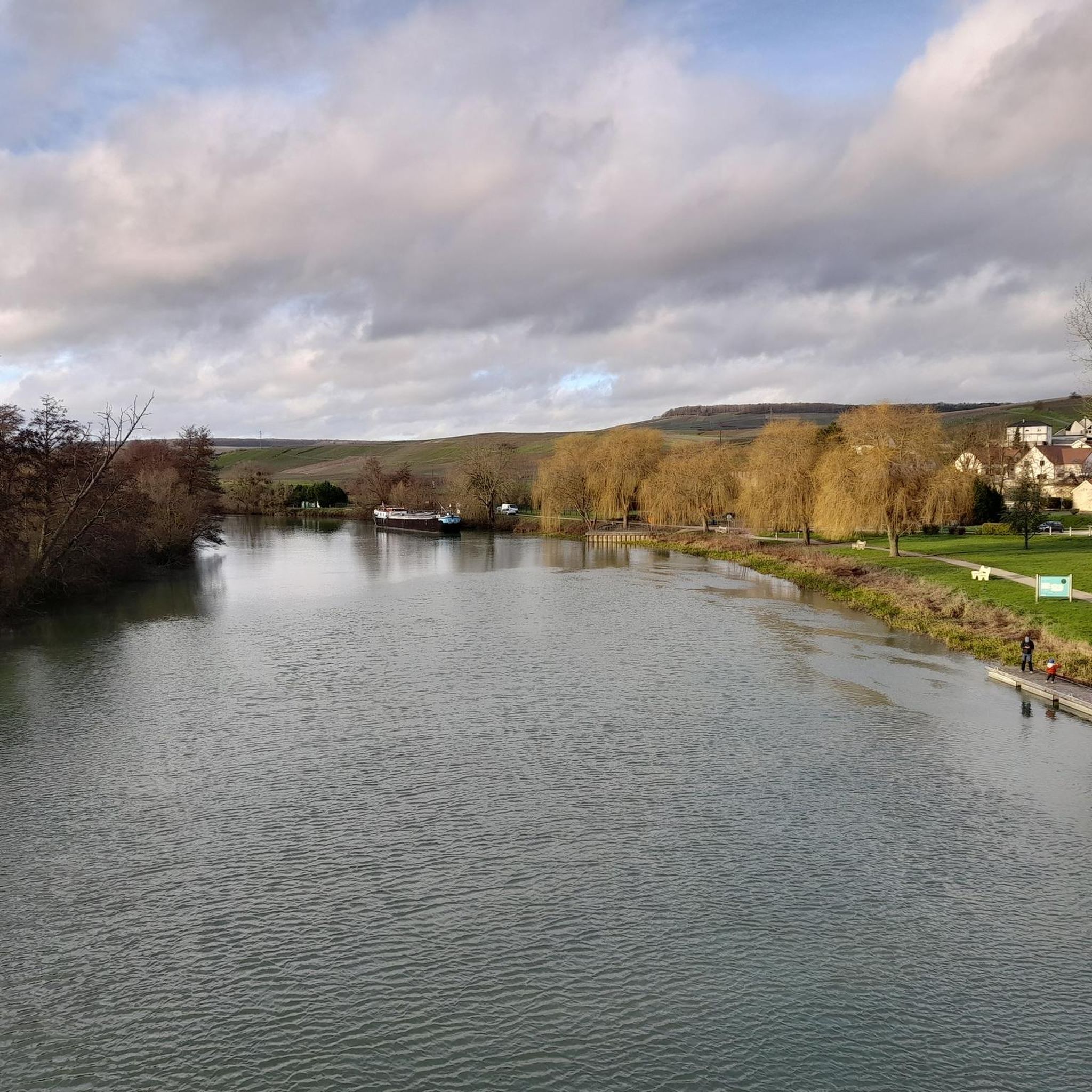
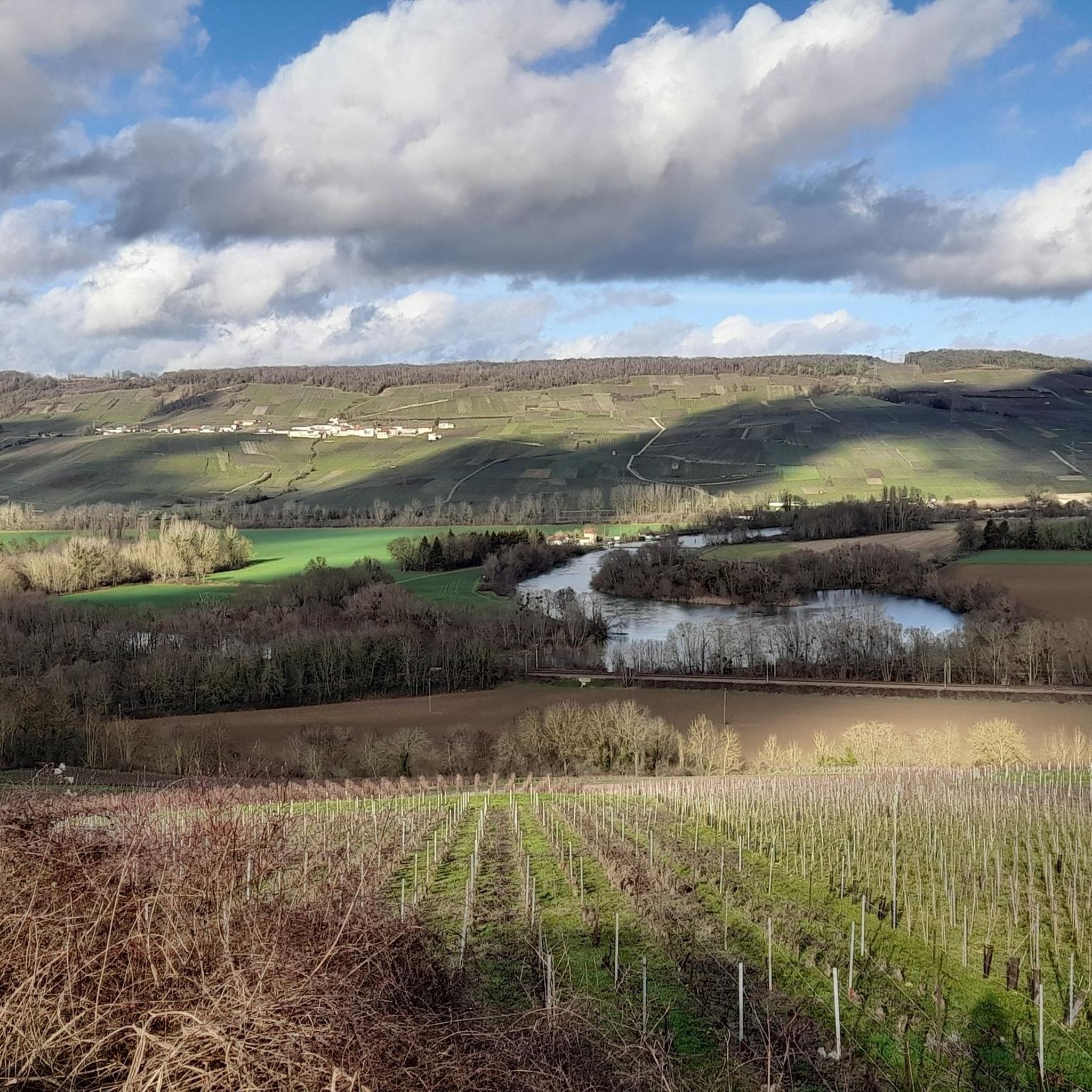
The view from the beautiful rest areas around the monument of Pabst Urban II over the Marne valley and the vineyards of Champagne is magnificent ☺️
2
0
Frequently Asked Questions
What historical sites are a must-see in Reuil?
Reuil is rich in historical significance, particularly concerning champagne production. A key site is the Abbaye de Hautvillers, considered the birthplace of the Champenoise method, where Dom Pérignon is buried. Another notable historical landmark is the Town Hall, housed in the former Auban-Moët mansion, featuring luxurious rooms and a beautiful park.
Are there any family-friendly attractions in Reuil?
Yes, the Vineyard Worker Sculptures Along the Marne offer an engaging and educational experience for families. These sculptures depict various stages of the winemaking craft, providing an interesting visual story along the riverbanks. The park adjacent to the Town Hall also provides a pleasant space for a family stroll.
What kind of outdoor activities can I do near Reuil's attractions?
The region around Reuil is excellent for outdoor enthusiasts. You can explore a variety of activities such as hiking, road cycling, and running. For detailed routes and options, you can check out the dedicated guides for Hiking around Reuil, Road Cycling Routes around Reuil, and Running Trails around Reuil.
Are there hiking trails suitable for different difficulty levels near Reuil?
Yes, the area offers hiking trails for various skill levels. For an easy walk, consider the 'Hiking loop from Cœur-de-la-Vallée'. Moderate options include the 'Marne Valley and Champagne Vineyards Loop' or 'Hiking loop from Binson-et-Orquigny'. If you're looking for a challenge, the 'Between Marne and Champagne Trail' is a difficult route. More details can be found in the Hiking around Reuil guide.
What do visitors enjoy most about the attractions in Reuil?
Visitors particularly appreciate the historical depth and the scenic beauty of the region. The Abbaye de Hautvillers is valued for its historical significance as the birthplace of champagne. The Vineyard Worker Sculptures Along the Marne are noted for their interesting depiction of the winemaking craft. The Town Hall and its park are admired for their architectural beauty and well-kept gardens.
Can I find viewpoints to admire the landscape around Reuil?
Absolutely. The Abbaye de Hautvillers offers extraordinary views of the Marne valley and the town of Epernay from its heights. Additionally, the Statue of Pope Urban II and viewpoint provides a great vantage point over the Marnetal, complete with tables and chairs for relaxation.
Are there any attractions in Reuil that are wheelchair accessible?
Yes, the Statue of Dom Pérignon at Moët & Chandon is noted as being wheelchair accessible, allowing visitors to learn about the monk often associated with the méthode champenoise.
What is the significance of Dom Pérignon in Reuil?
Dom Pérignon, a Benedictine monk, is closely associated with the region. He is buried at the foot of the altar in the church of the Abbaye de Hautvillers, which is considered the birthplace of the Champenoise method. His work significantly improved and popularized champagne. You can also find a Statue of Dom Pérignon at Moët & Chandon.
Where can I see sculptures related to the winemaking process?
You can see fascinating sculptures depicting the winemaking process at the Vineyard Worker Sculptures Along the Marne. These art pieces illustrate various stages, from vine care to grape harvesting and tasting, providing a unique insight into the region's heritage.
Are there any parks or gardens to visit in Reuil?
Yes, the Town Hall in Reuil features a remarkable adjacent park. This park is laid out in both French and English styles, offering a beautiful setting with a fountain, statues, groves, and water features. It has even been awarded the 'Remarkable Garden' label.
What are some popular road cycling routes near Reuil?
Road cycling is a popular activity in the area. Routes range from easy to difficult, such as the 'Saint Martin Church of Reuil – Dormans Memorial 1914–1918 loop' (easy) or the 'Saint Martin Church of Reuil – Gueux Lake Park loop' (difficult). You can find more options and details in the Road Cycling Routes around Reuil guide.
Can I find running trails around Reuil?
Yes, there are several running trails available, mostly of moderate difficulty. Examples include the 'Damery Church – Café du Commerce Damery loop' and the 'Saint Martin Church of Reuil – Rest area Reuil loop'. For a comprehensive list of routes, refer to the Running Trails around Reuil guide.

Get inspired with the komoot mobile app


Explore more
Still not found the Highlight you’re looking for? See guides of the top attractions in other regions:
